AI Image Processing: Transformative Applications Across Industries

Image processing is the modification and analysis of digital images using algorithms and techniques to extract valuable insights and information. It plays a crucial role in various fields, from medical diagnosis to surveillance systems, and has become an indispensable tool in our data-driven world.

The advent of Artificial Intelligence (AI) and machine learning has revolutionized image processing, introducing new levels of accuracy, efficiency, and automation. AI-powered image processing, combining digital image processing and machine learning techniques, has the potential to transform industries by enabling more accurate decision-making, streamlining processes, and unlocking new opportunities.

Some Use Cases of AI-powered Image Processing

Here are some practical use cases of AI image processing:

Medical Imaging

AI-powered medical image processing is revolutionizing the healthcare industry by enabling more accurate diagnosis and treatment planning. Through advanced algorithms and AI ML models, AI systems can detect and classify various diseases, such as cancer, neurological disorders, and cardiovascular conditions, with unprecedented accuracy.

By analyzing medical images like X-rays, CT scans, and MRI scans, AI can assist radiologists in identifying subtle patterns and abnormalities that might be missed by the human eye. Additionally, AI can monitor patient progress through continuous image filtering and analysis, enabling more personalized and effective treatment plans.

AI-powered medical image processing is also paving the way for more personalized and targeted treatments. By analyzing vast amounts of patient data, including medical images, AI algorithms can identify patterns and correlations that may not be apparent to human experts. This can lead to the development of personalized treatment plans tailored to individual patients’ unique characteristics and medical histories, ultimately improving outcomes and quality of life.

Furthermore, AI-powered image processing is driving advancements in medical research and drug development. Researchers can use AI algorithms to analyze vast databases of medical images, identify potential biomarkers, and gain insights into disease progression and treatment efficacy. This can accelerate the discovery of new drugs and therapies, leading to more effective and targeted treatments for a wide range of medical conditions.

Surveillance and Security

AI-powered image processing is playing a critical role in enhancing surveillance and security systems. Object detection and tracking algorithms, powered by Generative AI & Machine Learning models, can identify and monitor individuals, vehicles, and other objects of interest in real-time. Facial recognition technology, powered by AI, enables identity verification and access control in secure facilities. Furthermore, AI can detect anomalies and potential threats in public spaces, alerting authorities and enabling proactive measures to ensure public safety.

One of the key advantages of AI-powered image processing in surveillance and security is its ability to handle large volumes of data in real-time. Traditional surveillance systems often rely on human operators to monitor multiple video feeds, which can be prone to errors and fatigue. AI algorithms, on the other hand, can continuously analyze video streams from numerous cameras, detecting and alerting authorities to potential threats or suspicious activities with high accuracy.

Additionally, AI-powered image processing can be integrated with other security technologies, such as access control systems and intrusion detection systems, to provide a comprehensive and intelligent security solution.

Autonomous Vehicles

Autonomous vehicles rely heavily on AI-powered image processing to navigate safely and make real-time decisions. Image-based perception systems, built using Image Processing Projects, analyze visual data from cameras and sensors to detect and recognize traffic signs, pedestrians, and other vehicles on the road. This processed image data is then used to make split-second decisions, enabling autonomous vehicles to navigate complex environments with precision and safety.

One of the key challenges in autonomous driving is dealing with the vast amount of visual data that needs to be processed in real-time. AI-powered image processing algorithms are designed to handle this challenge by efficiently processing and interpreting visual data from multiple cameras and sensors. These algorithms can accurately detect and classify objects, such as pedestrians, vehicles, and road signs, even in challenging conditions like low light or inclement weather.

Furthermore, AI-powered image processing plays a crucial role in decision-making for autonomous vehicles by evaluating processed visual data, AI algorithms can predict the behavior of other road users, anticipate potential hazards, and plan safe and efficient routes.

Manufacturing and Quality Control

AI-powered image processing is transforming manufacturing and quality control processes by enabling accurate defect detection and quality assessment. By analyzing images of products during various stages of the manufacturing process, AI algorithms and image processing techniques can identify defects, anomalies, and quality issues with high precision. This data can then be used to optimize processes and improve overall product quality. Additionally, AI-powered visual inspection can reduce the need for manual quality checks, increasing efficiency and reducing costs.

In manufacturing environments, AI-powered image processing can be used to monitor production lines in real-time, detecting defects or anomalies as they occur. This allows for immediate corrective actions to be taken, reducing waste and improving overall productivity. Additionally, by analyzing historical data and identifying patterns, AI algorithms can predict potential issues before they occur, enabling preventive maintenance and minimizing downtime.

AI-powered image processing also plays a crucial role in quality control by enabling automated visual inspection of products. Traditional manual inspection processes can be time-consuming, labor-intensive, and prone to human error. By leveraging AI algorithms and computer vision techniques, manufacturers can automate the inspection process, ensuring consistent quality standards and reducing the risk of defective products reaching customers.

Retail and E-commerce

In the retail and e-commerce sectors, AI-powered image processing is enabling new customer experiences and operational efficiencies. Visual search technology, like Build an Image Classifier projects, allows customers to discover products by uploading or capturing images, enhancing product discovery and personalization. AI algorithms can analyze customer preferences and purchase behavior through image analysis, enabling personalized recommendations and targeted marketing strategies. Additionally, image processing can streamline inventory management and shelf monitoring processes, ensuring optimal stock levels and efficient operations.

One of the key applications of AI-powered image processing in retail and e-commerce is visual search and product recognition. Customers can simply upload an image or take a picture of a product they like, and AI algorithms can identify and recommend similar or related products from the retailer’s inventory. This not only enhances the customer experience but also increases the chances of making a sale and driving revenue.

Furthermore, AI-powered image processing can be used to optimize in-store operations and improve customer experience.

Agriculture and Environmental Monitoring

AI-powered image processing is playing a vital role in the agriculture and environmental sectors. By analyzing aerial imagery and satellite data, AI algorithms and models can monitor crop health, detect pests and diseases, and optimize agricultural practices. This technology can also aid in environmental impact assessments, enabling better decision-making and sustainable practices. Additionally, AI can analyze imagery to monitor deforestation, monitor wildlife populations, and assess the impact of natural disasters.

In agriculture, AI-powered image processing can be used to monitor crop health and growth patterns at a large scale. By analyzing high-resolution aerial or satellite imagery, AI algorithms can detect early signs of stress, disease, or nutrient deficiencies in crops, allowing farmers to take timely corrective actions and optimize their yield. Additionally, AI can be used to identify and map weed infestations, enabling targeted herbicide application and reducing the overall use of chemicals.

Environmental monitoring is another critical application of AI-powered image processing. AI algorithms can detect and monitor changes in land cover, deforestation patterns, and the impact of natural disasters. This information can be used to inform conservation efforts, develop sustainable land management practices, and mitigate the effects of climate change.

Art and Entertainment

The art and entertainment industries are also benefiting from AI-powered image processing. In photography and filmmaking, AI algorithms and best software for image processing can enhance and edit images, improving color grading, removing unwanted objects, and applying artistic filters. Generative AI models can create stunning visual effects and artwork, revolutionizing the creative process. Furthermore, content moderation on online platforms can be streamlined through AI-powered image recognition, ensuring a safer and more appropriate online environment.

In the field of photography and filmmaking, AI-powered image processing tools are enabling new levels of creativity and efficiency. Advanced algorithms can automatically enhance images by adjusting color, contrast, and exposure, as well as removing unwanted elements or adding special effects. This not only saves time and effort for photographers and editors but also opens up new artistic possibilities.

Generative AI models, trained on vast datasets of images and artwork, can create entirely new visual compositions, mimicking or combining various artistic styles. This technology is revolutionizing the art world, enabling artists to explore new creative avenues and pushing the boundaries of what is possible.

In the entertainment industry, AI-powered image processing is being used for visual effects (VFX) and animation. Assessing live-action footage allows AI algorithms to seamlessly integrate computer-generated elements, creating realistic and immersive visual experiences.

Conclusion

AI-powered image processing is transforming industries across the board, enabling more accurate decision-making, streamlining processes, and unlocking new opportunities. From medical diagnosis to autonomous vehicles, from manufacturing to environmental monitoring, the applications of this technology are vast and far-reaching. As AI continues to advance, we can expect even more innovative and transformative applications of image processing in the future.

At CGVAK, we specialize in developing cutting-edge AI solutions for image processing and computer vision. Our team of experts can help you leverage the power of AI to streamline your operations, enhance customer experiences, and drive innovation in your industry. Contact us today to learn more about how we can help you harness the transformative potential of AI-powered image processing.

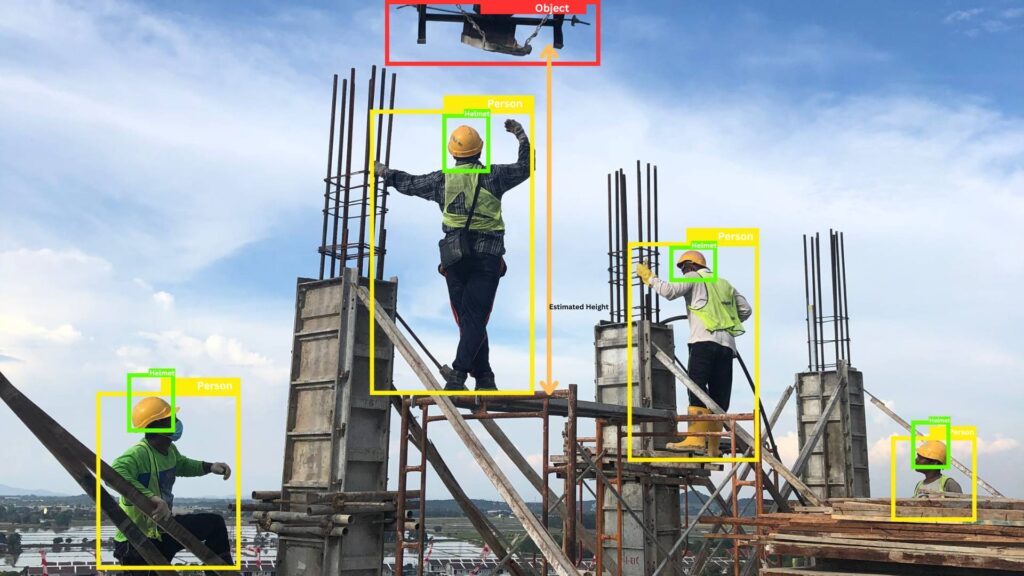
How Computer Vision in AI is Redefining Safety Standards in Construction

The construction industry, a vital contributor to the global economy, representing 13% of the world’s GDP, has been grappling with a stagnant productivity growth rate and safety concerns. Despite its economic prominence, it grapples with a meager productivity growth rate of 1%, trailing behind the global industry average of 2.8% over the past two decades. Moreover, it stands as the most perilous industry in the United States and Middle East, witnessing more workplace fatalities than any other sector.

Addressing these pressing issues of low productivity and compromised worker safety is paramount for the construction industry’s sustained success and progress. Fortunately, recent advancements in artificial intelligence, particularly in the field of computer vision, offer promising solutions. The remarkable potential of computer vision lies in its ability to seamlessly integrate into existing construction workflows, enabling companies to adopt these cutting-edge technologies with relative ease.

By leveraging computer vision, construction firms can unlock substantial improvements in operational efficiency and enhance on-site safety measures, ultimately driving productivity gains while safeguarding the well-being of their workforce.

The construction industry’s path to revitalization hinges on its willingness to embrace innovative solutions, with computer vision emerging as a game-changer. By harnessing the power of this transformative technology, the sector can overcome longstanding productivity challenges and prioritize worker safety, paving the way for a more prosperous and sustainable future.

What is Computer Vision?

Computer vision is a field of artificial intelligence that enables machines to perceive and understand digital images and videos in a way that mimics human vision. It empowers computers to interpret and make sense of the visual world around them, much like how our brains process and comprehend the images our eyes capture.

In layman’s terms, computer vision is the science of teaching computers how to “see” and interpret visual information. It involves developing computer vision system algorithms and models that can automatically analyze and extract meaningful insights from digital images, videos, and other visual data.

At its core, computer vision works by converting digital images or video frames into numerical data that can be processed and analyzed by computers. This process typically involves several steps:

  1. Image Acquisition

    The computer captures or receives digital images or video frames from cameras or other visual sensors.
  2. Pre-processing

    The visual data is prepared for analysis by applying techniques such as noise reduction, color correction, and image enhancement.
  3. Feature Extraction

    Distinctive features, such as edges, shapes, textures, and patterns, are identified and extracted from the visual data using specialized algorithms.
  4. Object Recognition and Classification

    The extracted features are compared against pre-trained models or databases to recognize and classify objects, people, or activities within the visual data.
  5. Interpretation and Analysis

    The recognized objects, patterns, and relationships are interpreted and analyzed to extract meaningful insights, such as identifying potential safety hazards, monitoring construction progress, or detecting defects or anomalies.

In the construction industry, computer vision can play a crucial role in enhancing site operations and worker safety. For example, it can process visual data from surveillance cameras or drones to monitor site activities, detect potential hazards (e.g., workers operating in dangerous areas or not wearing proper safety equipment), and track the progress of construction projects in real-time.

Furthermore, computer vision can be integrated with advanced technologies like augmented reality (AR) or mixed reality (MR) systems, allowing construction professionals to overlay digital information and instructions directly onto their visual field, enhancing situational awareness and enabling more efficient and safer operations.

By leveraging the power of computer vision, the construction industry can unlock new levels of operational efficiency, productivity, and worker safety, ultimately driving innovation and sustainable growth within this vital economic sector.

How does Computer Vision contribute to the construction industry?

Computer vision, an AI-driven technology, plays a pivotal role in revolutionizing the construction industry by enabling automation, enhancing safety measures, boosting productivity, and improving quality control across various aspects of construction management. This cutting-edge AI and machine learning (ML) service has the potential to transform the way construction projects are executed, monitored, and managed.

  • Safety Management:

    One of the most significant contributions of AI-driven computer vision technology is its ability to aid in safety monitoring on construction sites. By leveraging advanced image and video analysis techniques powered by AI and ML, these systems can detect potential hazards, ensure compliance with safety protocols, and prevent accidents through real-time monitoring. This proactive approach to safety management not only protects workers but also helps mitigate risks, reduce downtime, and minimize costly accidents, making AI in the construction industry a game-changer.
  • Progress Monitoring:

    Computer vision technology, facilitated by cloud computing and AI/ML services, offers a powerful solution for real-time progress tracking in construction projects. Project managers can leverage this technology to monitor construction activities, identify delays or bottlenecks, and optimize project timelines efficiently. By providing accurate and up-to-date information on project progress, AI-driven computer vision enables data-driven decision-making and facilitates proactive measures to keep projects on schedule.
  • Productivity Tracking:

    Automating monitoring processes is a game-changer for productivity tracking in the construction industry. AI-powered computer vision systems can analyze visual data to measure productivity metrics, identify inefficiencies, and optimize resource allocation. This data-driven approach not only enhances project efficiency but also provides valuable insights for continuous improvement and streamlining of construction processes.
  • Quality Control:

    Ensuring adherence to construction standards and maintaining high-quality workmanship is crucial in the construction industry. AI-driven computer vision technology assists in quality control by detecting defects, assessing workmanship, and ensuring compliance with construction standards. This automated quality assurance process helps identify and address issues early, reducing rework and minimizing costly repairs or replacements.
  • Data Analysis and Insights:

    The vast amount of visual data collected from construction sites through cameras, drones, and other imaging devices can be leveraged by AI-powered computer vision systems to provide valuable insights. By analyzing images and videos, these cloud-based AI/ML services can generate comprehensive data reports, enabling data-driven decision-making, risk assessment, and performance evaluation in construction projects.

The integration of AI-driven computer vision technology into the construction industry has the potential to revolutionize construction management practices, enhancing safety, productivity, quality, and overall project efficiency. As this AI and ML service continues to evolve and become more sophisticated, its impact on the construction industry is expected to grow, paving the way for more innovative and sustainable construction practices leveraging the power of cloud computing and AI/ML technologies.

Implementing Computer Vision in Your Construction Business

Implementing computer vision technology in your construction business is a strategic decision that can yield significant benefits, revolutionizing various aspects of your operations. However, the integration process demands careful planning, execution, and collaboration with experienced technology partners. Here’s a comprehensive guide to help you successfully adopt computer vision in your construction business:

Here are steps to Integration:

  1. Define Your Goals:

    Clearly identify the areas where you aim to leverage computer vision technology, such as safety monitoring, progress tracking, productivity analysis, or quality assurance. Prioritize your goals based on your business needs and pain points.
  2. Assess Your Infrastructure:

    Evaluate your existing infrastructure, including cameras, sensors, computing resources, and data management systems. Determine if upgrades or expansions are necessary to support the seamless integration of computer vision solutions.
  3. Select the Right Solution:

    Conduct thorough research and evaluate different computer vision solutions tailored to the construction industry. Consider factors like scalability, accuracy, reliability, integration capabilities, user-friendliness, and customization options.
  4. Pilot Testing:

    Implement a pilot program to assess the performance and effectiveness of the chosen computer vision solution in a controlled environment. This will help identify potential issues, fine-tune the system, and ensure a smooth full-scale implementation.
  5. Data Integration:

    Ensure the computer vision system can seamlessly integrate with your existing data management systems, such as project management software, enterprise resource planning (ERP) systems, or building information modeling (BIM) platforms, enabling efficient data exchange and streamlined workflows.
  6. Train Your Team:

    Provide comprehensive training to your team members who will interact with or manage the computer vision system. Ensure they understand its capabilities, limitations, and best practices for optimal utilization and data interpretation.
  7. Roll-out and Continuous Improvement:

    After successful pilot testing, gradually roll out the computer vision solution across your construction projects. Continuously monitor its performance, gather feedback from users, and implement improvements or upgrades as needed to maximize its effectiveness.

How to Choose the Right Solution

When selecting a computer vision solution, consider factors such as scalability, accuracy, reliability, integration capabilities, user-friendliness, and customization options. Look for solutions that align with your specific construction processes and requirements, enabling seamless integration and long-term scalability.

Focus on Partnership and Support

Implementing computer vision technology is a significant undertaking, and partnering with experienced technology providers can be invaluable. Look for vendors with expertise in the construction industry, offering professional services, comprehensive training, and ongoing support.

Seek vendors that provide installation, configuration, and customization services to ensure a smooth implementation tailored to your unique needs. Additionally, prioritize providers that offer reliable support, regular software updates, and consulting services, along with AI prompt assistance, to help your team effectively utilize the AI-driven computer vision solution and maximize its benefits over time.

Carefully evaluating and selecting the right AI-driven computer vision solution, and partnering with experienced technology providers, your construction business can successfully implement this cutting-edge technology. This strategic investment will unlock new levels of safety, productivity, quality control, and efficiency, driving innovation and sustainable growth in your construction operations.

Conclusion

Integrating computer vision technology into heavy equipment safety systems provides significant benefits for businesses and workers by enhancing worker safety and reducing accident risks. This advanced technology can detect blind spots, power collision avoidance systems, analyze operator behavior for fatigue or distraction, enable real-time monitoring and alerting of unsafe conditions, develop smart control systems, optimize site planning and design, and ensure proper personal protective equipment usage. By leveraging computer vision, businesses demonstrate their commitment to environmental, health, and safety standards, creating a safer work environment. EHS managers can utilize the data and insights gathered to inform safety training, improve protocols, reduce accidents and injuries, and improve overall EHS compliance. If interested in exploring how computer vision can benefit your heavy equipment safety systems, request a free demo to experience the potential of this cutting-edge technology.

The Impact of Smart Invoice Processing with AI, ML in Banking & Finance

Banks and financial institutions are constantly seeking innovative solutions to streamline operations and enhance efficiency. One area that is experiencing a remarkable transformation is invoice processing, where automation in banking and finance is revolutionizing traditional processes. Smart invoice processing, powered by advanced technologies such as Intelligent Process Automation (IPA), Machine Learning (ML), and Predictive analytics.

(RPA), is leveraging these cutting-edge technologies to automate and optimize the invoice processing workflow, automating billing and invoicing functions.

By harnessing the power of IPA, ML, and RPA, the banking and finance industries can revolutionize their invoice processes, achieving unprecedented speed, accuracy, and time/cost savings. These technologies enable intelligent data extraction, validation, and processing, reducing manual efforts and minimizing errors. With smart invoice processing solutions, financial institutions can streamline their operations, improve operational efficiencies, and enhance customer satisfaction, reaping the benefits of invoice automation.

In this insightful blog, we will delve into the transformative impact of Intelligent Automation (IA) on invoice processing automation.

Understanding Invoice Processing in Banking and Finance

Traditionally, invoice processing in banking and finance has been a labor-intensive and time-consuming task, often plagued by manual errors, delays, and inefficiencies. However, with the advent of advanced technologies such as Intelligent Process Automation (IPA), Machine Learning (ML), and Robotic Process Automation (RPA), the landscape of invoice processing is undergoing a transformative shift.

These cutting-edge technologies, including AI for document processing and RPA for banking and finance, enable the automation of various invoice processing steps, streamlining the entire workflow. Intelligent data extraction capabilities facilitated by intelligent processing automation solutions facilitate accurate data capture from invoices, while ML algorithms validate and process the extracted information. RPA automates repetitive tasks, minimizing human intervention and increasing efficiency.

By leveraging these technologies, banks and financial institutions can achieve significant cost savings, improve accuracy, enhance transparency, and ensure compliance with regulatory requirements. Automated invoice processing not only reduces processing times but also provides real-time visibility into the entire workflow, enabling better decision-making and resource allocation.

How Does It Benefit Accounting Teams?

Invoice automation offers numerous benefits to organizations, particularly in the banking and finance sector, where streamlining operations and ensuring accuracy are paramount. With the advent of technologies like Ai in finance, Machine learning in invoice processing, and Robotic process automation, organizations can leverage intelligent processing automation solutions to revolutionize their invoice processing workflows. Here are some of the key benefits of invoice automation:

  1. Increased Efficiency and Productivity:

    Manual invoice processing is a time-consuming and error-prone task. By automating the entire workflow, organizations can significantly reduce the time and effort required for invoice processing. Automated data extraction, validation, and processing eliminate the need for manual data entry, freeing up valuable resources that can be redirected toward more strategic initiatives.
  2. Enhanced Accuracy and Compliance

    : Human error is a common challenge in manual invoice processing, leading to inaccuracies, delays, and potential compliance issues. Intelligent processing automation, combined with ai for document processing and RPA for banking and finance, ensures accurate data extraction and validation, minimizing errors and improving overall data quality. This heightened accuracy helps organizations maintain compliance with regulatory requirements and industry standards.
  3. Cost Savings

    : Invoice automation streamlines processes and reduces the need for manual labor, resulting in substantial cost savings for organizations. By minimizing errors and optimizing workflows, organizations can reduce operational costs associated with invoice processing, such as staffing expenses, error rectification costs, and late payment penalties.
  4. Improved Visibility and Control:

    Automated invoice processing solutions provide real-time visibility into the entire workflow, enabling better tracking and monitoring of invoices. Organizations can easily identify bottlenecks, monitor approval statuses, and gain insights into spending patterns. This enhanced visibility allows for better control over the process, enabling more informed decision-making and effective resource allocation.
  5. Faster Processing and Payment Cycles:

    By eliminating manual tasks and automating various stages of the invoice processing workflow, organizations can significantly accelerate the entire process. Invoices can be processed and approved more quickly, leading to faster payment cycles. This not only improves relationships with vendors and suppliers but also helps organizations take advantage of early payment discounts and avoid late payment penalties.
  6. Scalability and Adaptability

    : As businesses grow and transaction volumes increase, manual invoice processing becomes increasingly challenging and difficult to scale. Automated solutions, however, can easily handle larger volumes of invoices without compromising efficiency or accuracy. Additionally, these solutions can adapt to changing business requirements, regulatory updates, or process modifications, ensuring long-term sustainability and flexibility.
  7. Enhanced Security and Audit Trail

    : Automated invoice processing solutions often incorporate robust security measures, such as role-based access controls, data encryption, and audit trails. These features help protect sensitive financial information and ensure compliance with data privacy regulations. Furthermore, the audit trail functionality provides a comprehensive record of all invoice processing activities, enabling better accountability, and facilitating audits.
  8. Predictive Analytics and Insights:

    By leveraging Machine learning and Predictive analytics, organizations can gain valuable insights into their accounts payable and accounts receivable processes. These technologies can analyze historical data, identify patterns, and predict future trends, enabling organizations to optimize cash flow management, negotiate better payment terms, and make informed decisions regarding supplier relationships.

By embracing invoice automation, organizations in the banking and finance sector can streamline operations, reduce costs, enhance accuracy, and improve overall efficiency. The benefits extend beyond the invoice processing workflow, contributing to better financial management, stronger vendor relationships, and a competitive advantage in the rapidly evolving business landscape.

How Invoice Automation Can Help Your Business

Invoice automation processing benefits various stakeholders within an organization, including:

  1. Accounts Payable (AP) Department:

    The AP department is the primary beneficiary of invoice automation processing. It relieves AP staff from the tedious and error-prone tasks of manual data entry, invoice matching, and approval routing. With automated data extraction, validation, and processing, the AP team can focus on more value-added activities, such as vendor management, cash flow optimization, and strategic financial planning.
  2. Finance and Accounting Teams:

    Automated invoice processing ensures accurate and timely financial data, enabling finance and accounting teams to generate accurate financial reports, perform reliable forecasting, and make informed business decisions. The enhanced visibility and audit trails provided by automation solutions facilitate better financial controls and compliance with regulatory requirements.
  3. Procurement and Vendor Management:

    Invoice automation streamlines the invoice approval process, enabling faster payment cycles and improving relationships with vendors and suppliers. Automated solutions can also facilitate vendor onboarding, contract management, and spend analysis, supporting strategic procurement decisions.
  4. IT and Operations Teams:

    Automated invoice processing solutions often integrate with existing enterprise resource planning (ERP) systems, financial applications, and other business software. This integration benefits IT and operations teams by reducing manual data entry, minimizing errors, and ensuring seamless information flow across different systems.
  5. Auditors and Compliance Teams:

    The audit trails, data accuracy, and enhanced visibility provided by invoice automation processing facilitate efficient audits and ensure compliance with industry regulations and internal policies. Auditors can easily access and review invoices, approvals, and payment information, streamlining the audit process.
  6. Vendors and Suppliers:

    By enabling faster payment cycles and reducing disputes arising from manual errors, invoice automation processing improves relationships with vendors and suppliers. It fosters trust, transparency, and better collaboration between organizations and their business partners.

Overall, invoice automation processing benefits various stakeholders within an organization by improving operational efficiency, enhancing financial controls, reducing costs, and fostering better relationships with vendors and suppliers.

How CG-VAK is implementing Automation with AI in Invoice Processing?

CG-VAK is implementing automation with AI in invoice processing through a structured approach that leverages Intelligent Automation (IA) and various AI technologies. Here’s how we implement the solution:

Check Mailbox for New Emails: The initial phase involves training a bot to fetch invoices by accessing an assigned mailbox and examining incoming emails based on criteria such as subject lines, sender details, and other relevant attributes.

Identifying & Evaluating Attachments: Once the bot identifies emails containing attachments, it determines whether the file is a PDF and checks if its size falls within the designated limit. If the email doesn’t have any attachments, it is disregarded, and multiple attachments are handled separately.

Keyword Analysis: The bot compares line items with predefined keywords between invoices and related documents. If an attachment is unrecognized, the bot moves the email to a training folder. If the document is recognized, the bot checks for specific keywords within the PDF.

Field Extraction and Confidence Check: After recognizing the keywords, the bot extracts data from the PDF and assesses the confidence score of the extraction process.

Process Purchase Order (PO) Status & Extraction Errors: The bot then checks the status of the purchase order (PO) automation associated with the extracted data and moves the extracted data to the appropriate folders. If the extraction process fails, the bot moves the email to an Error folder for further review.

By implementing this structured approach, leveraging AI technologies such as Optical Character Recognition (OCR), Natural Language Processing (NLP), and Machine Learning (ML) to automate the invoice processing workflow effectively.

The solution streamlines the entire process, from email retrieval and attachment handling to data extraction, validation, and error handling, ensuring accuracy, efficiency, and scalability.

Conclusion

The adoption of Intelligent Automation (IA) is catalyzing a transformative shift in invoice processing within the banking and finance sector. This cutting-edge technology is ushering in a new era of unprecedented efficiency, heightened accuracy, and substantial cost optimization. Financial institutions that proactively embrace Intelligent Automation (IA) solutions are well-positioned to gain a competitive edge by streamlining their operations, bolstering compliance adherence, and delivering exceptional customer experiences. In the rapidly evolving financial landscape, where agility and innovation are paramount, the integration of IA represents a strategic imperative for institutions seeking to future-proof their operations and thrive amidst dynamic market conditions. Contact our experts for Artificial intelligent and machine learning solutions

AI and ML Reshaping Retail Software Testing: A Forward-Thinking Approach

AI automation plays a crucial role in retail software testing by enhancing efficiency, accuracy, and speed in various aspects of the testing process. It revolutionizes automated testing by leveraging artificial intelligence (AI) and machine learning (ML) to improve test case creation, selection, execution, defect detection, regression testing, and performance testing in the retail industry

Automation testing is particularly important for retail enterprises undergoing digital transformation as it helps manage risks while leveraging the advantages of digitalization. It enables companies to deliver products quickly with good quality by providing fast feedback on builds, increasing omnichannel app coverage, integrating with third-party applications easily, performing smart automation testing with AI and ML, and conducting non-functional automation testing to enhance usability and customer experience.

By embracing AI-driven testing tools, retail companies can enhance the quality of their software products while optimizing development timelines and ensuring accurate testing results.

In this article, we’ll delve deeply into the concept of AI Retail Testing, exploring how AI can optimize testing processes and introducing pioneering AI testing tools that can transform your QA workflows.

The Essential Role of AI Automation in Retail Software Testing

In the dynamic landscape of retail, software serves as the linchpin of customer interaction, encompassing e-commerce platforms, mobile applications, and inventory management systems. The necessity of ensuring the robustness, user-friendliness, and security of these applications cannot be overstated. Traditional manual testing methods, while foundational, are increasingly insufficient due to rapid deployment cycles and the intricacy of contemporary retail software. Here, the integration of AI and ML becomes imperative, introducing automation and heralding a new era in testing characterized by heightened speed, precision, and efficiency. AI and ML applications represent the future of retail testing, automating and refining processes to address manual testing pain points and establish a new standard for software quality.

Benefits of Using AI for Retail Software Testing

  1. AI Enables Faster and Smarter Test Creation

    AI proves instrumental in accelerating and enhancing the creation of test scripts, particularly in the realm of retail software testing. By leveraging AI, testers can swiftly and intelligently generate test scenarios, optimizing the process with retail-specific considerations. Instead of relying solely on engineering expertise and traditional automation frameworks like Selenium, testers can input prompts in plain language, directing the AI to create tailored test scripts in seconds. This approach aligns with retail testing strategies with AI and ML, ensuring that test scenarios are optimized for retail applications.
  2. AI Can Quickly Generate Test Data for Data-Driven Testing

    Retail testing strategies often require comprehensive data-driven testing to simulate various customer interactions and scenarios. AI facilitates this process by rapidly generating customized datasets tailored to retail-specific parameters. For instance, when testing the search functionality of an e-commerce platform, AI can efficiently generate a diverse range of product queries and location inputs, mimicking real-world usage scenarios. This integration of AI and ML applications enhances retail testing strategies, enabling testers to simulate a wide array of customer interactions and behaviors.
  3. AI Makes Test Maintenance Effortless

    In the realm of retail software testing, where the need for continuous adaptation is paramount, software testing tools play a crucial role. As software and websites undergo regular updates, especially within Agile testing environments, the maintenance of test scripts becomes a daunting task. Changes in code can quickly render existing tests ineffective, necessitating extensive manual updates. However, with the integration of AI, the burden of test maintenance is significantly reduced. AI-powered solutions can automatically regenerate test scripts in response to code modifications, ensuring that retail software testing remains efficient and effective. This seamless synergy between AI technology and software testing tools enhances the agility and reliability of retail software testing processes.
  4. AI Enhances Visual Testing

    Visual testing is pivotal for upholding the quality and consistency of retail software applications. By harnessing AI-powered visual testing tools, testers can significantly enhance their ability to detect and address visual discrepancies effectively. These advanced tools leverage sophisticated AI and ML algorithms to meticulously analyze visual elements within retail applications, thereby identifying potential issues that could impact the overall user experience. Through the seamless integration of AI and ML applications into visual testing processes, testers can elevate the accuracy and efficiency of their retail testing strategies. This integration ensures that retail software applications deliver a seamless and visually appealing user experience across diverse retail platforms. By combining the power of AI technology with visual testing, testers can streamline the identification and resolution of visual defects, thereby reinforcing the reliability and usability of retail software applications in today’s dynamic digital landscape.
  5. Enhance app coverage

    The ubiquity of applications across multiple channels has transitioned from being a mere customer expectation to an escalating demand. Customers now expect the convenience of shopping anytime, anywhere, and on their preferred devices seamlessly. To meet this demand, retail organizations must rigorously test their applications across a plethora of platforms, screen sizes, and operating system combinations. Automated software testing emerges as a vital solution for these companies, enabling them to automate app testing across diverse combinations efficiently. This approach reduces the risk to app quality while minimizing the time required for validation. By leveraging automated testing, retail organizations can ensure their apps function seamlessly across various platforms, meeting the evolving needs and expectations of their customers effortlessly.

Conclusion

AI and ML integration in retail software testing represent a crucial strategy for retailers striving to maintain competitiveness and relevance in today’s market. The significance of artificial intelligence in the future of retail QA extends beyond mere software testing; it entails crafting experiences that align with the ever-evolving expectations of consumers. The journey toward integrating AI and ML into retail software testing is transformative, offering a glimpse into a future where retail experiences are seamless, deeply personalized, and gratifying for customers. By leveraging AI and ML technologies, retailers can not only ensure the quality and functionality of their software but also unlock new avenues for enhancing customer satisfaction and loyalty. Ultimately, the adoption of AI and ML in retail software testing signifies a strategic shift towards customer-centricity and innovation, positioning retailers to thrive in an increasingly competitive marketplace. AI powered testing platforms play a pivotal role in enabling this transformation, offering advanced capabilities to streamline testing processes and deliver superior retail.

AI-Driven Apps-Budgeting for Your AI-Powered Application

AI technology has emerged as the brightest star on the horizon. It’s like a superpower for businesses, offering valuable insights and predictive analysis. Whether it’s in healthcare or customer support, AI is rapidly becoming a must-have tool for many companies. But here’s the catch—it can also be quite expensive.

The cost of developing an AI application can vary significantly based on various factors. If you’re eager to find ways to save on your AI app project, be sure to check out our article on the ultimate AI builder for 2023. With our guidance, you can make the most of your budget and craft an impressive and powerful AI application.

In this post, we’ll dive into the different costs associated with developing an AI app and explore the various factors that can impact the final price tag. We’ll also share some valuable tips on how to economize while creating your own application. With our assistance, you can maximize the value of your budget and create a remarkable AI application.

Introducing Artificial Intelligence (AI) Apps

We’re living in an era where Artificial Intelligence (AI) has seamlessly integrated into our daily lives. Whether it’s the digital assistant on your smartphone or voice-activated gadgets in your home, AI is omnipresent. The rising demand for AI-driven applications has given birth to a fascinating world of AI apps designed for diverse purposes. But what exactly can these apps do?

AI apps are like the superheroes of the digital realm. They enhance user experiences, automate tasks, and unveil insights about data and customer behaviors. Their application spans across various industries and sectors, from healthcare and retail to manufacturing. These apps possess the uncanny ability to handle vast volumes of data and employ complex algorithms to uncover patterns and relationships that would otherwise remain hidden. For instance, an AI app can sift through customer data to predict future purchases or pinpoint areas where customer service needs improvement.

Developing an AI app entails a blend of programming languages, algorithms, libraries, and APIs. The cost of developing such an app hinge largely on the project’s scope and complexity. Additional factors like data storage requirements, platform specifications, and testing demands also contribute to determining the overall development cost.

Why do Businesses Invest in AI App Development?

Businesses invest in AI app development for several compelling reasons.

Firstly, AI enhances efficiency by automating repetitive tasks, allowing employees to focus on strategic endeavors.

Secondly, AI-driven apps enable data-driven decision-making by quickly processing and analyzing vast datasets, leading to better-informed choices.

Thirdly, AI-powered customer support and chatbots offer 24/7 assistance, improving customer service and satisfaction. Additionally, AI apps can provide valuable insights through predictive analytics, helping businesses anticipate trends and adapt proactively. AI also enhances personalization in marketing and product recommendations, increasing customer engagement and sales. Moreover, AI improves security through advanced threat detection and fraud prevention, safeguarding sensitive data. Lastly, businesses invest in AI to stay competitive in a rapidly evolving technological landscape, as AI continues to revolutionize industries across the board. In summary, AI app development empowers businesses with efficiency, data-driven insights, customer support, personalization, security, and a competitive edge.

Factors Driving AI-Powered App Development Costs

The cost of developing an AI-powered personal assistant app is influenced by several key factors, each playing a significant role in shaping the overall budget. Understanding these factors is essential for businesses and entrepreneurs looking to embark on AI app development projects.

Features and Functionalities:

The range and complexity of features you want to integrate into your AI app have a direct impact on development costs. If you’re working with a limited budget, it’s advisable to prioritize essential features and gradually add more advanced functionalities as your AI app development gains traction. However, a comprehensive feature set often leads to better user experiences and higher engagement rates, which can justify the additional investment.

Complexity:

The complexity of AI app development, exemplified by virtual assistants like Siri or Alexa, profoundly impacts project costs. Consider the distinction between a basic weather forecasting app and an advanced virtual personal assistant:

A basic weather app entails straightforward features such as location tracking and data retrieval from a weather API. Its development timeline is relatively short, requiring minimal resources, resulting in a cost-effective project.

In contrast, a virtual personal assistant like Siri involves a complex array of capabilities. These include voice recognition, natural language processing, appointment scheduling, web searches, and seamless integration with various services. Developing such a sophisticated AI app demands extensive time, a larger development team, robust computational resources, and thorough testing, significantly elevating costs.

Sophisticated features and intricate algorithms drive up resource requirements and development time, leading to higher project costs compared to simpler AI app endeavors.

Design:

The design of your app should not be seen as a mere cosmetic feature; it has a direct impact on your development budget and the overall success of your project. An app that boasts visually appealing animations, unique graphics, and an intuitive user interface often demands a larger financial investment compared to a more basic, standard design. This investment, however, is not just an expense; it’s a strategic move that can significantly enhance user engagement and overall development success.

When you allocate resources to create an attractive and user-friendly design, you’re not only making your app visually appealing but also increasing its potential for success. A well-designed app can capture users’ attention, keep them engaged, and encourage positive user reviews. Ultimately, this can translate into higher user retention rates, increased revenue, and a stronger competitive edge in the app market. So, consider design not just as an expense but as a valuable investment in the long-term prosperity of your app project.

App Platform:

The choice of platforms where your AI app will be available is a crucial cost determinant. Developing a virtual assistant app for multiple platforms, such as Android, iOS, and web, generally requires a larger budget than creating an app for a single platform. Cross-platform development tools can help optimize costs by enabling you to build once and deploy across multiple platforms.

Development Team’s Location:

The geographical location of your development team can have a substantial impact on AI app development costs. Hiring AI developers is also expensive. They often command higher hourly rates than their counterparts in emerging markets.

Outsourcing AI app development to countries with lower labor costs, such as India, can significantly reduce AI-powered app development expenses while maintaining high-quality work.

Technology Stack:

The choice of technology stack, including programming languages, libraries, and frameworks, is a critical factor in AI app development. Utilizing open-source tools like TensorFlow, Python, and Dialogflow can lead to cost savings, as these technologies are readily available and well-supported by the AI community.

Taking these factors into account is crucial when estimating AI app development costs. Collaborating with an experienced app development company or consulting with AI experts can provide valuable insights and a more accurate cost assessment tailored to your project’s specific requirements. By carefully considering these factors, you can make informed decisions and effectively manage your AI app development budget.

Cost analysis for AI powered App Development

The cost to develop an AI-software solution varies significantly depending on some factors, such as the personal assistant app features, the platform it will run on (iOS, Android, web server, etc.), the development team’s location, the technology stack, and so on. We have used here standard AI pricing model to estimate cost.

On an average, an AI personal assistant app development cost can range somewhere between $50,000 to $200,000. However, the integration of advanced AI technologies with multiple features and functionalities can widely increase this estimated cost, which could go upwards of $500,000 or more.

It is also worth considering that the AI powered App development costs quoted here is just the initial estimate of the overall cost of maintaining a successful virtual assistant app. There are also ongoing costs, such as maintenance and upgrade, which must be considered.

How CGVAK can help you?

CGVAK, a proficient IT services provider, offers a diverse range of services, including the development of custom AI solutions such as AI software development. We excel in creating tailored software, whether it’s for building an AI-powered app, web applications, mobile apps, or desktop software.

We specialize in delivering projects within budget while maintaining high-quality standards. We have a team of AI development experts with credible experience of developing advanced AI systems.

Moreover, we offer AI application management services, ensuring that AI-powered applications operate seamlessly and efficiently. Their team is well-versed in the features of AI software, enabling them to build solutions that harness the full potential of artificial intelligence.

With a strong focus on quality, we provide comprehensive quality assurance and testing services, guaranteeing the reliability of your software. Their expertise in IT consulting helps businesses optimize their strategies, streamline processes, and enhance technology infrastructure.

CGVAK is a reliable partner in designing cutting edge AI solutions to AI design and integration that can assist businesses at various stages of their software development journey, with a particular emphasis on AI software development and AI application management.

Fintech Revolution with Embracing Predictive Analytics and AI

In the world of financial technology (FinTech), data has become the new currency. It is the driving force behind Fintech innovation and has the power to reshape the industry. With the rapid growth of digital transactions, online banking, and mobile payments, an enormous amount of data is generated every second.

However, the volume of data alone is not as significant as the insights that financial firms and institutions can gain by harnessing its potential. The scale of information that flows through the physical world and the global economy is vast and diverse. It comes from various sources, including sensors, satellite images, web activity, digital applications, videos, and credit card transactions.

But raw data alone is not enough to make informed decisions. Data must be combined with other data and converted into information to enhance decision-making. Contextualizing data, such as sales figures within historical data or market trends, can reveal valuable insights. Suddenly, these figures can indicate growth or decline compared to benchmarks or as a result of specific strategies.

As the volume of data generated from financial transactions continues to grow, it becomes increasingly important for FinTech companies to invest in data analytics and Fintech integration. The integration of predictive analytics supported by AI can help these companies harness the full potential of their vast datasets and enable advanced data analysis. They often seek the expertise of Fintech services and AI development services that employ algorithms and machine learning techniques to extract and identify patterns, enabling informed decision-making processes.

Improving Decision-Making with Advanced Analytics

The world of financial technology (FinTech) is evolving rapidly, and data has emerged as the new currency that drives Fintech innovation and has the power to reshape the industry. With the proliferation of digital transactions, online banking, and mobile payments, an enormous amount of data is generated every second.

Although the volume of data is massive, it is not as significant as the insights that financial firms and institutions can gain by harnessing its potential. The scale of information that flows through the physical world and the global economy is vast and diverse, originating from various sources such as sensors, satellite images, web activity, digital applications, videos, and credit card transactions.

However, raw data alone is not adequate to make informed decisions. Data must be combined with other data and converted into information to enhance decision-making. Contextualizing data, such as analyzing sales figures within historical data or market trends, can reveal valuable insights. Suddenly, these figures can indicate growth or decline compared to benchmarks or as a result of specific strategies.

The volume of data generated from financial transactions is increasing at a rapid pace, making it imperative for FinTech companies to invest in data analytics, Fintech integration, and AI development. The integration of predictive analytics, supported by AI, can help companies harness the full potential of their vast datasets and enable advanced data analysis. They often seek the expertise of Fintech services and AI development services that employ algorithms and machine learning techniques to extract and identify patterns, enabling informed decision-making processes.

Advanced data analytics, supported by artificial intelligence (AI), has numerous benefits for financial technology (FinTech) companies. Here are four ways in which AI-driven insights can improve decision-making and provide benefits in fintech:

Exploring the Benefits of AI analytics in FinTech

AI-driven predictive analytics is transforming the financial services sector, including fintech and software platforms. By leveraging AI algorithms, businesses can gain deeper insights into customer behavior, market trends, and risk management. Here are four advances in AI-driven predictive analytics in the financial services sector:

  1. Fintech and software platforms:

    AI-driven predictive analytics is revolutionizing the fintech and software platforms by providing real-time insights into customer behavior and preferences. By analyzing large amounts of data, these platforms can offer personalized financial products and services that meet the specific needs of their customers.
  2. Risk management:

    AI-driven predictive analytics is helping financial services companies identify and mitigate risks in real-time. By analyzing data and identifying potential risks, companies can make informed decisions that reduce risk and improve overall security.
  3. BaaS platform with AI:

    Business as a Service (BaaS) platforms offer a range of services, including data storage, analytics, and security. By integrating AI-driven predictive analytics into BaaS platforms, businesses can gain deeper insights into customer behavior and market trends, improving decision-making and reducing costs.
  4. Improved decision-making:

    AI-driven predictive analytics is helping businesses make more informed decisions about product development, marketing, and other business operations. By analyzing data and identifying patterns, businesses can make smarter decisions that improve profitability and competitiveness.

Use Cases of AI in Fintech

Artificial Intelligence (AI) is rapidly transforming the financial technology (fintech) industry, offering enhanced capabilities for companies to better serve their customers and improve business operations. Here are five use cases of AI in fintech.

  1. Fraud detection:

    AI algorithms can be trained to identify fraudulent transactions and suspicious activity in real-time. By analyzing data and identifying patterns, AI can quickly detect and prevent fraud, minimizing the risk of financial losses and improving security for customers.
  2. Personalized financial advice:

    AI can be used to provide personalized financial advice to customers based on their individual needs and preferences. By analyzing customer data, AI algorithms can generate personalized recommendations on products and services that are tailored to the customer’s specific financial situation.
  3. Risk management:

    AI can help financial services companies manage risk by analyzing data and identifying potential risks in real-time. This can help companies make informed decisions about investments and reduce the risk of financial losses.
  4. Chatbots and virtual assistants:

    AI-powered chatbots and virtual assistants can help fintech companies improve customer service by providing instant support to customers. These chatbots can answer customer questions, provide information on products and services, and help customers with transactions, all while reducing wait times and improving customer satisfaction.
  5. Credit scoring:

    AI algorithms can help fintech companies improve credit scoring by analyzing large amounts of data and identifying patterns. This can help companies make more accurate predictions about an individual’s creditworthiness, enabling them to offer better loan terms and reduce risk.

AI is transforming the fintech industry by offering enhanced capabilities for companies to better serve their customers and improve business operations. These use cases of AI in fintech demonstrate the potential for AI to improve fraud detection, offer personalized financial advice, assist with risk management, provide chatbots and virtual assistants for customer service, and improve credit scoring. As AI continues to evolve, it is likely that we will see even more innovative use cases of AI in fintech in the future.

Challenges in Implementing Real-Time Analytics

Implementing real-time analytics can be a challenging task for businesses. Here are three challenges that businesses may face when implementing real-time analytics:

  1. Data quality:

    For real-time analytics to be effective, high-quality data is needed. Poor data quality can lead to inaccurate insights and decisions, which can be costly for businesses. Ensuring data quality can be a challenge, especially when dealing with multiple data sources and complex data sets.
  2. Infrastructure:

    Implementing real-time analytics requires robust infrastructure to process large amounts of data quickly. This includes hardware, software, and networking equipment. Upgrading existing systems or implementing new ones can be expensive and time-consuming.
  3. Skilled workforce:

    Implementing real-time analytics requires a skilled workforce that is capable of working with complex data sets and advanced analytics tools. Businesses may need to invest in training their existing personnel or hire new personnel with the necessary skills. This can be challenging, especially in a competitive job market where skilled personnel are in high demand.

Implementing real-time analytics can be challenging due to factors such as data quality, infrastructure, and a skilled workforce. However, the benefits of real-time analytics, such as improved decision-making and better customer insights, can be significant for businesses that are able to successfully implement these technologies.

How CGVAK can help overcoming the challenges

CGVAK is an IT solutions provider that specializes in custom software development, data analytics, and business intelligence. Here is how CGVAK can help businesses deal with the challenges of implementing real-time analytics:

Data quality:

We help businesses ensure data quality by providing data cleaning and normalization services. They can also help businesses integrate data from multiple sources, ensuring that the data used for real-time analytics is accurate and reliable.

Infrastructure:

We can help in design and implement the necessary infrastructure for real-time analytics. This includes hardware, software, and networking equipment. CGVAK can also provide cloud-based solutions, which can be more cost-effective than on-premises solutions.

Skilled workforce:

CGVAK has a team of skilled professionals who can provide training and consulting services to help businesses develop the necessary skills to implement real-time analytics. They can also help businesses hire new personnel with the necessary skills.

Custom software development:

CGVAK can provide custom software development services that are tailored to the specific needs of each business. This can include developing custom analytics tools, data visualization tools, and other software solutions that are designed to help businesses make the most of their real-time analytics capabilities.

Additionally, we also provide ongoing support and maintenance to ensure that real-time analytics solutions continue to operate effectively. By partnering with CGVAK, businesses can overcome the challenges of implementing real-time analytics and realize the benefits of improved decision-making and better customer insights.

Stepping into the Future of App Development with ChatGPT

Are you tired of interacting with chatbots that sound like robots, unable to understand your queries or provide relevant information? Well, fret not because the future of chatbots is here, and ChatGPT powers it! Imagine a chatbot that can engage you in natural, human-like conversations and anticipate your needs. That’s the power of ChatGPT, a cutting-edge technology transforming how we interact with machines.
As a large language model developed by OpenAI, ChatGPT has been trained on a massive dataset of conversational data and can generate natural language responses to a wide range of queries. From answering customer inquiries to helping users find products, ChatGPT-powered chatbots can provide a personalized and engaging experience, making them an ideal solution for app development. Let’s explore the impact of ChatGPT on app development and how you can build an application with ChatGPT to provide your users with the best experience possible.

Impact of ChatGPT on App Development

Let me give you an example to illustrate this point. Imagine you’re running an e-commerce store and receive many customer inquiries daily. With ChatGPT, you can create a chatbot that can answer customer queries instantly without human intervention. For instance, if a customer wants to know about the product’s features, they can ask the chatbot, which can provide them with a detailed response in a matter of seconds. The chatbot can also suggest related products or assist with the checkout process, all naturally and engagingly.

Another area where ChatGPT can have a significant impact is in healthcare. Chatbots powered by ChatGPT can provide medical advice and support to patients, especially when access to medical professionals may be limited. For instance, a chatbot can help patients with chronic conditions manage their symptoms, provide advice on healthy living, and even recommend appropriate medical services or resources. It can improve patient outcomes, reduce the burden on healthcare professionals, and make healthcare more accessible and affordable.
The impact of ChatGPT on app development has been profound, and it has opened up new possibilities for creating more engaging and personalized user experiences. With ChatGPT, app developers can build conversational interfaces that understand user intent, provide relevant information, and anticipate user needs. These chatbots can be integrated into various apps, including e-commerce, healthcare, customer support, and gaming, to provide users with a seamless, intuitive, and interactive experience.

One of the most significant advantages of using ChatGPT lies in app development where it can help businesses save time and money. By automating routine tasks and providing instant assistance to customers, ChatGPT-powered chatbots can reduce the workload of human employees and free them up to focus on more complex tasks. It can not only improve productivity but also reduce costs and boost revenue. Also, the demand for ChatGPT developers will only increase.

Advantages of ChatGPT on App Development

Being an advanced natural language processing tool that can provide significant value to coders, especially legal ones. With cutting-edge technologies, it streamlines coding tasks, improves coding productivity, and ensures high-quality and error-free code. In this article, we will delve into the value of ChatGPT in more depth.

  • Efficiency is one of the critical benefits of ChatGPT. Its cutting-edge natural language processing techniques automate many tedious coding chores, freeing coders to focus on more complex and crucial coding projects. As a result, coding productivity and speed improve significantly, enabling developers to write high-quality code in less time. ChatGPT reduces the coders’ workload and allows them to direct their efforts toward more critical and challenging projects.
  • Quality is another essential benefit of ChatGPT. Its deep learning algorithms ensure the generated code is of the highest quality, lowering the possibility of defects and mistakes. This results in more dependable, effective, and error-resistant code. The high quality of the code generated by ChatGPT is essential in the legal industry, where the accuracy and reliability of code are critical. Legal firms can use ChatGPT to create error-free code, minimizing the chances of legal disputes arising from coding errors.
  • The intuitiveness of ChatGPT is also a significant advantage. Its simplicity and intuitive user interface make coding tasks simple and easy to understand. ChatGPT is designed to be simple, allowing programmers to focus on their code instead of worrying about challenging coding tools or procedures. The user-friendly interface makes coding less intimidating, particularly for beginners in the legal industry. It reduces the learning curve for novice programmers, enabling them to contribute to coding tasks much more quickly.
  • Accessibility is another crucial benefit of ChatGPT. Its natural language processing features make coding available to programmers of all experience levels, from novices to specialists. This makes it the perfect tool for anyone looking to enhance their coding abilities, regardless of experience level. ChatGPT’s accessibility means more individuals can contribute to the coding process, increasing the talent pool available to legal firms. This increased talent pool is precious in the legal industry, where highly specialized coding skills are necessary.
  • Lastly, ChatGPT can save significant amounts of time. Because it can automate repetitive coding operations, developers can complete projects faster and with considerable time savings. Legal firms that use ChatGPT can complete tasks much more efficiently and quickly, allowing them to take on more projects and enhance their reputation as a reliable legal service provider.

How to Build an Application with ChatGPT?

If you’re an app developer looking to integrate ChatGPT into your application, there are a few steps you need to follow. First, you must select the appropriate framework and libraries for developing the application. Some popular frameworks for building chatbots include Microsoft Bot Framework, IBM Watson, and Google Dialogflow.

Once you’ve chosen the appropriate framework, you must train the chatbot using ChatGPT. It involves feeding the model with a large dataset of conversational data, which can be obtained from various sources such as chat logs, customer feedback, and FAQs. The more data you have, the more accurate the model will be in understanding user intent and generating relevant responses.

After training the chatbot, you need to integrate it with your application. It involves creating a user interface that allows users to interact with the chatbot through voice or text. You can also customize the chatbot’s responses and behavior based on the specific needs of your application. However, the point to understand is developing, and app with ChatGPT is not easy.

Want to Know More from Our CG-VAK Experts?

Do you want to build an app with ChatGPT? At CGVAK, we specialize in creating a mobile app with ChatGPT and integrating ChatGPT services to make intelligent and engaging applications. Our team of experts has a deep understanding of the latest AI technologies and can help you build advanced chatbots that can interact with users in natural language. Here are some of the key benefits of working with CGVAK for your app development needs.

Advantages Of AI-Driven Intelligent Test Automation in Software Development

Firms are changing how they create, test, and deploy software as a result of the introduction of AI in automation testing. They may more effectively and economically ensure that their goods fulfill consumer expectations and quality requirements by using AI-driven test automation services.

AI-driven solutions can discover and diagnose problems quickly and correctly. They may also produce thorough reports that aid enterprises in determining where they can make improvements. Moreover, AI-driven solutions are more reliable and effective than conventional testing methods since they can learn from their surroundings and adapt to changes in them.
This article will give a general introduction to intelligent test automation and discuss the advantages of using AI-driven solutions while talking about manual testing and automation testing.

Intelligent Automation – An Overview

The term “AI” brings up ideas of all-knowing supercomputers out to wipe out humanity, voice-activated assistants, computer chess opponents, and self-driving automobiles.
AI adoption in intelligent test automation, an automated software testing technique, is to test software applications. To evaluate an application’s behavior and find and correct any potential faults, it employs AI-based test automation algorithms. This kind of testing is used to increase the precision and effectiveness of the testing process while reducing the amount of manual work necessary to test a software application.
Every application, including mobile and online apps, embedded systems, and distributed software, may be tested using intelligent test automation. It may be used to construct tests that are complicated and adaptive to changing circumstances, as well as to test the functionality, speed, and security of an application.

How Do I Implement AI In Test Automation?

Consider the following components while implementing a unique test automation strategy to handle the testing difficulties:

Automated Data Migration Testing to Go Faster:

Data migration testing gets crucial at this point since accurate data migration is required to match the modern system of operations.
Due to the volume and sensitive nature of the information, data transfer carries a significant amount of risk. To lower risk, it is necessary to carry out a complete validation and use a test plan.

Business-Driven Test Coverage Scenario with Automation Based On Workflow:

It is daunting to automate testing on a framework for domain-centric applications with multi-channel depictions.
The functional areas, channel priorities, and tool availability must all be understood for test automation to be effective. It is important to apply modern testing techniques like BDT and MBT, or model-based testing. By doing so, you’ll be able to increase company value and make sure that your automation tactics are in line with your goals.

AI Adoption in Intelligent Test Automation Benefits:

The incorporation of AI in intelligent test automation is growing in popularity among software development teams for several reasons, but one of the main ones is that AI provides simplified test automation services, allowing developers to automate more complicated and time-consuming tasks, resulting in improved efficiency and, ultimately, more dependable software products.
The benefits of adopting AI in software testing tools may be categorized into a few main categories:

Shortened Time To Market:

The development team may launch software products more quickly by automating test processes. Manually repeating software tests may be exceedingly time-consuming and expensive because they are done every time source code is changed.
Automated tests, on the other hand, shall run repeatedly at no additional expense and a considerably faster rate once they have been built. Software testing and automation may be done in a matter of hours rather than days, which results in immediate cost reductions.
Intelligent test automation could speed up development, cut costs, and shorten the time to market.

Boost Effectiveness And Precision:

Developers can work more efficiently by automating a variety of test-related tasks. AI can automate time-consuming operations like gathering data, building test scripts, performing tests, and assessing findings. It gives engineers more time to devote to harder activities like issue fixing and feature development. Also, you may guarantee accuracy by delivering more thorough and precise test findings.
AI-driven test automation can spot possible code errors before they develop into larger difficulties. It may contribute to a decrease in bugs, leading to a more reliable and stable product.

Benefits Both Testers And Developers:

Developers may use shared automated tests to find issues right away before sending them to QA. Every time a source code update is checked in, tests may run and alert the team or the developer if they fail.

Technicians can use shared computer testing to identify issues quickly before contacting QA. Tests may run immediately after source code changes are checked in, alerting the team or the designer if they fall short.
Features like this save designers time and boost their confidence.

Reduce Testing Costs And Time:

Substantial time and cost savings are achieved via the use of AI in intelligent test automation. AI-powered test automation tools can evaluate and uncover application faults and design issues quickly, greatly accelerating the test plan.
Test automation systems learn to spot patterns and make more educated conclusions than conventional test automation systems by utilizing AI-based algorithms. It lessens the number of false positives and false negatives that are produced throughout the testing process, ensuring the highest possible level of application quality.

Increasing Test Coverage:

Intelligent test automation that incorporates AI may improve test coverage in several ways. Automated test coverage analysis is made possible by AI-driven testing, which may be used to find system components that aren’t being tested. Also, it may be used to find duplicated test cases to maximize test coverage, find regions that need more testing, and decrease the total time required to complete the tests.
Further testing of the system is made possible by AI’s assistance in identifying data patterns that human testers may find challenging to identify. Moreover, AI-driven testing aids in finding possible problems that would not have been picked up during manual testing, increasing system coverage and boosting confidence in the outcomes.

Beyond Manual Testing’s Restrictions:

Doing a web application assessment with 1,000+ users is practically impossible for QA departments, even those that are necessary. A network, piece of software, or program can be tested by simulating countless virtual sets of users.

How Can AI In Test Automation Help with Digital Transformation?

Companies are embracing AI in test automation in the era of agile and DevOps. Retail apps are updated and made available more quickly in the digital age. In the testing sector, AI may be particularly beneficial since it enhances product quality and speeds up test cycles, allowing for on-time delivery of the final product. Organizations are concentrating on creating DevOps and application development techniques to increase performance. To aid with this, testing phase turnaround times must be shorter, and any faults encountered must be found quickly.

Continuous testing, for which test automation acts as a strategic business enabler, is necessary to ensure that the digital transformation is completed in the future.

Automating Tests Using AI:

AI aids in the creation of test cases; test scripts and pseudocode may be created automatically using AI. Their algorithms consider test resources and provide shrewd insights, including problem hotspots, application stability, failure trends, and failed predictions. They also require less maintenance.

Security Assessments:

Companies appear to be concerned about data security. Automated testing eliminates human mistakes, which are essential for system assurance. The ability of test automation to scan complex programs for flaws is another benefit. You are helping the organization by saving a significant amount of time, resources, and money this way.

Usability Evaluation:

It is crucial to ensure that every software version works with all hardware, software, and browsers. To ensure that the customer experience and functionality are consistent across all of these kinds of applications, a thorough test automation framework is needed. It could take a while to manually verify for compatibility and usefulness.

Mobile Evaluation:

Businesses want high-quality apps with a shorter time to market as the variety of smartphones and operating systems rises. Even though we have several internet tools at our disposal to essentially test the application across numerous devices, the findings are not precise. Testing must be done on actual devices to provide the best results.

Wrapping Up!

Companies will have the ability to develop testing incentives for less money once the initial investment is made to build up an AI system for test automation. In the long term, artificial intelligence in software testing will be able to support all positions related to software development, not just those held by software testers working to provide high-quality goods to the market. As a result, human testers do not need to be concerned about their employment becoming obsolete.
In the future, human testers will be able to participate in the most valuable elements of testing by partnering with AI in software testing tools. The best way ahead is for people and machines to coexist, utilizing each other’s advantages.
Get Started

Compelling Reasons Why Python is the Top Choice For AI-Based Projects

Artificial intelligence is an integral part of computer science that aims to create intelligent machines that can perform tasks that typically require human intelligence, such as making decisions, recognizing speech, and solving problems.
AI is transforming the way humans live and work by improving efficiency, automating complex processes, and enhancing decision-making.
Python is one of the most demanding programming languages used in AI-based projects. Its versatility, simplicity, and extensive library of tools and frameworks make it well-suited for machine learning, a subset of AI that focuses on developing algorithms that can learn from data and make anticipations based on that learning.
Python is particularly popular in the AI community due to its ease of use, readability, and ability to handle large datasets. Its active community continually develops and updates libraries and tools that make it easier to develop AI-based projects.
Python has become an essential language in the field of AI, and its popularity is only expected to increase in the future. In this blog, let’s find out the reasons why software development companies in India employ Python for AI-based projects.

Why Choose Python for Machine Learning and Artificial Intelligence?

Unlike regular software initiatives, AI programs are unique. The distinctions are in the expertise needed for an AI-based project, the technological stack, and the requirement for in-depth analysis.
You could pick a programming language that would be reliable, adaptable, and equipped with tools to proceed with your AI ambitions. All of these features will be provided by Python. Hence, Python AI applications are prevalent nowadays.
Python aids programmers and developers in self-assurance and productivity regarding the program they are constructing, from creation through deployment and upkeep.
The advantages of Python for machine learning and AI comprise platform freedom, flexibility, access to excellent libraries and frameworks for ML, and a large community. They also boost the language’s general appeal. The benefits of Python for AI are countless, and here are a few:

A Wide Range of Frameworks and Libraries

Algorithm implementation can be difficult and time-consuming. To allow new Python developers to create the greatest coding methods, a well-structured, well-tested environment is essential. Programmers use a variety of popular libraries and frameworks for AI in Python to speed up development. Software libraries are collections of pre-written code that programmers utilize to handle typical programming tasks. Python provides a huge selection of ML and AI packages because of its robust technological stack.

Straightforward and Dependable:

Python provides code that is clear and readable. The productivity and scalability of Python for AI enable developers to create reliable systems, but machine learning and AI are powered by complicated algorithms and flexible processes.
Instead of concentrating on the language’s technical details, developers may devote their entire attention to addressing an ML problem. Python is also enticing to many developers because it is simple to learn. It is simpler to effortlessly create machine learning models as Python code is human-readable.
Python is regarded by many computer programmers as being more user-friendly than other computer languages. Others draw attention to the numerous frameworks, libraries, and extensions that make it easier to implement various functionalities.
Python is typically seen as being appropriate for collaborative development when several developers are engaged. It is a general-purpose language, so it can do a variety of sophisticated machine-learning tasks and make it simple to construct rapid prototypes to assess your product’s suitability for machine learning.

Platform Independence:

Programming languages and frameworks that are platform-independent enable developers to create things on one system and utilize them unchanged on another.
Python’s popularity can be attributed in part to the fact that it is a platform-independent language. The majority of popular operating systems are capable of helping develop standalone executable programs using Python code, allowing Python software to be dispersed to operate on those computer systems without a Python interpreter. Moreover, programmers typically employ services for their computer requirements. However, you can frequently find businesses and data scientists who practice their ML models on their computers with potent GPUs. Python’s platform independence makes this training far more accessible and affordable.

Community Support:

Strong community support created around a programming language is usually highly beneficial. It applies the same to Python’s developer community support. Python is an open-source language, so there are many resources available for programmers at all levels, from novices to experts.
There is a ton of Python material online and in Python groups and forums, in which programmers and ML developers work out difficulties, discuss faults, and support one another. The Python programming language and a wide range of helpful libraries and tools are both free.

Options for Good Visualization:

Python offers a wide range of libraries, some of which are excellent tools for visualization, as we’ve already said. Nonetheless, it’s crucial to emphasize for AI developers that being able to express data in a human-readable style is essential for AI, deep learning, and ML.
Data scientists may create charts, plots, and histograms using libraries to improve data presentation, interpretation, and visualization. A variety of application programming interfaces also streamline the visualization procedure and facilitate the development of understandable reports.

Readability:

Every Python developer can comprehend the code of their peers and copy, alter, or share it since Python is relatively simple to read. Professionals in AI and ML may communicate algorithms, ideas, and tools more effectively when there is no inaccuracy, ambiguity, or clashing paradigms. Also, there are tools accessible, including an interactive shell that offers extra capabilities including testing, debugging, tab completion, and others that streamline the work process.

Low Entrance Threshold:

Operating in the ML and AI sectors requires dealing with a lot of data, which you must analyze practically and efficiently.
The low entry barrier makes it possible for more data scientists to rapidly learn Python and begin utilizing it for AI development without investing a lot of time in doing so.
The similarity between the Python programming language and standard English makes learning simpler.  Due to the clear relationships between the system elements and its simple syntax, it enables you to collaborate with complex systems with ease. Python’s emphasis on simplicity makes it appropriate for use in AI applications.

Flexibility:

Python is a fantastic option for machine learning because of its flexibility. It gives users the choice of using scripting or OOPs. Also, developers can make any changes without having to recompile the source code and can observe the effects right away.
Python and other languages can be combined by programmers to achieve their objectives. Additionally, flexibility enables programmers to select the programming paradigms with which they feel most comfortable and even combine these paradigms to best solve various problems.

Python Libraries and Frameworks for AI

Let’s examine Python’s role in machine learning and artificial intelligence. Python is the dominant language for these uses since it has numerous capabilities that are useful for AI and ML in particular. It makes sense that Python is used in a variety of sectors for machine learning and prediction applications. Let’s examine some examples:

Travel:

To anticipate the behavior of new airplane routes, the world’s largest travel site has utilized an unsupervised ML algorithm written in Python.

Financial Technology:

AI applied in financial services helps to solve issues with customized banking, automation, fraud prevention, risk management, and other technologies that help offer users high-quality financial services.

Transportation:

Transportation is one of the best uses of Python in artificial intelligence. Python was used by a popular transportation firm to create the Michelangelo PyML ML framework. They apply it to daily tasks by making predictions both online and offline.

Healthcare:

AI is revolutionizing the healthcare sector by assisting in the prediction and scanning of illnesses, the detection of accidents, and the support of patients in maintaining their health even daily through user-friendly mobile applications. The sector is home to numerous excellent AI-based initiatives.
Python programmers are in increasing demand within the data science community as a result of the language’s popularity. It is good to select a language with high demand since it will likely enable greater capabilities in the future.
Artificial intelligence is becoming more and more complex. And Python is greatly simplifying the process of developing AI-based projects. Thus, if you have little programming knowledge of Python, you should work with Python development companies like CG-VAK, who can assist you with every step of your Python AI project.
If you think you need to hire Python developers to implement Python for AI and ML in your product, get in touch with our development team. Even if you want to include Python and machine learning in your product, get in touch with us for the suggestions and help you require.

Solving Industry Challenges with ChatGPT: How Generative AI Is Transforming Business Operations

Firms are constantly seeking innovative solutions to tackle complex industry challenges. One such solution that has gained significant traction is the use of generative AI development services, specifically ChatGPT, to revolutionize business operations.
From customer service and marketing to data analysis and product development, generative AI is proving to be a game-changer for firms across distinct sectors.
Whether you’re a business owner, a tech enthusiast, or simply curious about the potential of AI and ML in existing applications, this blog will provide you with valuable insights and a deeper understanding of how this technology is shaping the future of business operations.
So, buckle up and get ready to explore the exciting world of generative AI and its impact on solving industry challenges. Let’s dive in and discover the limitless possibilities that ChatGPT offers to firms in their quest for innovation and success.

Opinions on the Future Impact Of AI

The majority of respondents can agree on one thing while being divided on whether the modifications that AI will bring will be helpful or detrimental (41% are optimistic, 39% are frightened, and 19% are undecided).

According to a poll, 67% of respondents think that the emergence of highly sophisticated AI will have a significant and unforeseen impact on society. 60% of respondents think AI will automate chores that will free them up to concentrate on more strategic efforts in the workplace. Furthermore, 54% of respondents think AI will benefit their field of work.

But new prospects also bring new difficulties. Overall, 57% of respondents think AI would lead to significant problems with data privacy, and 53% worry that AI could jeopardize their careers.

Top Business Problems that can be solved with ChatGPT

Crafting Compelling Content:

Crafting high-quality content is a time-consuming task in the corporate world. Companies that use AI tools can help firms generate content that meets specific standards in a limited amount of time.

Whether it’s promotional materials, product descriptions, or articles, generative AI companies can evaluate existing content and create new, high-quality content that is tailored to specific audiences. This approach not only saves money and resources but also enhances the overall quality and consistency of the content.

Enhancing Customer Service:

Generative AI tools like ChatGPT can address challenging problems in customer service.
Chatbots powered by ChatGPT can provide prompt and precise answers to customer inquiries, improving the customer experience. They can also make tailored suggestions based on customer preferences and purchase history.
The official ChatGPT platform can be employed to create chatbots that assist customers in processing orders, answering inquiries, locating products, and resolving complaints.
By leveraging this technology, firms can enhance the customer experience, streamline operations, and drive growth.

Streamlining Legal Operations with Generative AI:

Generative AI tools are valuable in aiding a firm’s legal operations. They can perform legal research, scrutinize case law, and assist in formulating legal documents.
By using generative AI tools like the features of ChatGPT, legal teams can operate more efficiently and proficiently.
For instance, ChatGPT can help scrutinize contracts, detect potential legal issues, ensure compliance with regulations, and minimize the probability of legal disputes.
By leveraging generative AI, corporations can enhance productivity, minimize costs, and elevate the caliber of legal services provided.

Optimizing HR Processes with ChatGPT:

Generative AI tools will offer significant support for corporate HR operations. Through natural language processing and machine learning techniques, tools like ChatGPT can automate repetitive HR tasks and provide accurate and swift answers to staff inquiries.

Virtual HR assistants can be created to help employees manage leaves, administer benefits, introduce new hires, and offer tailored career development recommendations. Additionally, generative AI can be used to streamline talent acquisition, saving time and enhancing the quality of recruitment.
Businesses using artificial intelligence like ChatGPT can optimize HR procedures, lower labor costs, and enhance worker satisfaction and retention.

Unveiling Insights with Data Analytics:

Generative AI technology offers a significant advantage in data analytics. It can uncover hidden patterns and trends that may elude human perception, enabling firms to detect new areas of growth, optimize operations, and enhance customer satisfaction.
Sentiment analysis capabilities permit tools like ChatGPT to analyze social media data and gain insights into customer perceptions.
By leveraging this data, firms can refine marketing strategies, develop a deep understanding of customers, and enhance customer satisfaction.
Generative artificial intelligence in business can also analyze vast amounts of data to detect potential risks, enabling proactive identification and mitigation of issues.

Enhancing Sales Strategies:

Generative AI can be utilized to enhance sales in various ways. One application involves creating personalized product descriptions that cater to individual customer needs and preferences.
By analyzing customer data and behavior, generative AI can generate unique and compelling descriptions. Price optimization is another area where generative AI can be beneficial, as it can analyze customer behavior, market trends, and competitor prices to generate optimal prices.
Generative AI can also assist with customer segmentation and targeted marketing campaigns by detecting patterns and creating tailored campaigns. Additionally, generative AI can develop personalized sales.

Know about Industries that Can Use AI Tools – Chat GPT

The potential of generative AI in various industries is vast, and firms across domains are starting to recognize its impact.
Let’s explore some fascinating examples of how generative AI is transforming different sectors.

AI in Pharma:

Generative AI tools are revolutionizing the pharmaceutical industry by assisting in the identification of potential drug candidates.
Firms like Exscientia have already leveraged AI to develop drugs that are now in clinical trials. The use of generative AI in healthcare extends beyond drug discovery, with applications such as real-time patient communication to enhance medical assistance during emergencies.

AI in Material Science:

In the field of material science, generative AI is enabling groundbreaking discoveries. Researchers have utilized generative AI to detect novel self-assembling nanostructures, opening up possibilities for enhancing batteries, solar cells, automotive parts, and other technologies.
Generative AI also optimizes manufacturing processes, leading to cost reductions and enhanced material quality.

AI in Finance:

Generative AI instruments are tackling complex challenges in the financial sector. By analyzing extensive datasets, AI tools can assess credit risks, detect trends, and predict default probabilities.
Banks have also utilized AI and machine learning technologies to optimize customer service and reduce churn. Investment management is another area where generative AI is proving beneficial for banks like Capital One and JPMorgan Chase.

AI in Education:

Generative AI enhances education by providing personalized learning experiences. Through analysis of student data and behavior, AI creates customized learning materials, boosting engagement, enriching the learning process, and enabling teachers to provide tailored feedback to students.

AI in Entertainment:

In the realm of entertainment, generative AI offers personalized recommendations based on user preferences and behavior. It enhances the user’s experience, ignites curiosity, and encourages the exploration of new content.

AI in Employment:

Generative AI has the potential to revolutionize the job search process. By analyzing job data, AI tools can match candidates with suitable opportunities, optimizing recruitment processes for employers and providing personalized experiences for job seekers. This leads to more successful job matches and fulfilling careers.

Wrapping up!!

ChatGPT app development has sparked a transformative wave across multiple industries. Its ability to generate high-quality content, enhance customer service, streamline legal operations, optimize HR processes, enable data analytics, boost sales, accelerate new product development, creating mobile apps with ChatGPT, improve fraud detection, facilitate coding, and personalize learning experiences has revolutionized the way businesses operate.

By harnessing the power of generative AI and stimulating problem-solving in artificial intelligence, firms can overcome complex challenges, drive innovation, enhance efficiency, and ultimately achieve growth and success.

At CGVAK, we understand the immense potential of ChatGPT and its applications in business. Developing an app using ChatGPT is an effortless task for our firm. Leveraging ChatGPT, we can assist your firm in various ways.

Our team of experts can help you deploy generative AI tools to create compelling content, enhance customer service through AI-powered chatbots, streamline legal operations, optimize HR processes, harness data analytics for actionable insights, boost sales through personalized marketing strategies, facilitate new product development, improve fraud detection mechanisms, and even assist in coding tasks.

With our expertise and the power of ChatGPT, we can enable your business to leverage generative AI effectively, driving innovation and achieving your business objectives.
Embrace the potential of generative AI for your business with CGVAK and ChatGPT, and build an app with ChatGPT to unlock new possibilities in your industry.