Blog

Modernize Your Data Strategy with Databricks Lakehouse

In today’s digital economy, businesses face an ever-growing volume of data that demands efficient, scalable, and innovative solutions. Unfortunately, many organizations remain burdened by outdated legacy systems—expensive to maintain, overly complex, and incapable of meeting modern demands. These systems not only hinder agility but also limit the ability to derive actionable insights and innovate at scale.

Modernizing data platforms has become a necessity for organizations aiming to stay competitive. Migrating from legacy data warehouses to more robust and versatile solutions offers improved flexibility, cost efficiency, and the ability to drive innovation. Enter Databricks Lakehouse, a unified data platform designed to eliminate the silos between traditional data warehouses and data lakes. This solution empowers organizations with a single, powerful platform to manage all data, analytics, and AI workloads.

This blog explores why modernizing your data platform is critical, the unique capabilities of Databricks Lakehouse, and how to ensure a smooth migration process.

Why Modernizing Your Data Platform is Essential

Legacy data warehouses and data lakes present numerous challenges for businesses today. They often incur high maintenance costs due to outdated hardware, complex infrastructures, and costly software licenses. Their scalability issues result in performance bottlenecks as data grows, and they lack the flexibility needed to innovate, which stifles business growth.

Industry Trends

The trend towards unified, cloud-based platforms reflects the need for a more efficient and scalable approach to data management. These platforms combine the best features of data warehouses and lakes, allowing businesses to streamline operations, simplify governance, and support real-time analytics and AI workloads, all while driving cost savings.

Competitive Edge with Databricks Lakehouse

Organizations that migrate from legacy data warehouses to Databricks Lakehouse gain a significant competitive advantage. Databricks offers simplified data lakes, improving efficiency, data governance, and scalability. By partnering with Databricks migration experts, businesses can implement a custom migration strategy for Databricks Lakehouse, ensuring they meet their unique needs and business goals.

 What is the Databricks Lakehouse?

The Databricks Lakehouse is a groundbreaking platform that merges the benefits of data lakes and warehouses, offering a unified solution for data management. It provides a single environment where all types of data—structured, semi-structured, and unstructured—can be stored, analyzed, and processed, facilitating a seamless integration of analytics and AI workloads.

Key Features

  • Open Standards: Built on open-source technologies, Databricks Lakehouse ensures compatibility with a broad array of tools and frameworks, offering flexibility in how data is accessed and processed. This eliminates vendor lock-in and promotes integration with existing enterprise systems.
  • Common Governance: The platform provides unified governance tools that simplify compliance, data security, and quality management across the organization, ensuring that data is properly managed and accessible to authorized users. This consistency is essential for maintaining trust and accountability in data-driven decisions.
  • End-to-End Support for All Workloads: Databricks Lakehouse is designed to support all types of workloads, from traditional BI and reporting to real-time data analytics and machine learning. This versatility streamlines operations and supports long-term growth by allowing businesses to handle both current and future data needs with a single platform.
  • Open Standards and Flexibility: One of the most significant advantages of Databricks Lakehouse is its commitment to open standards. Built on Apache Spark and other open-source technologies like Delta Lake, it provides the flexibility to integrate with a wide array of third-party tools, platforms, and cloud services. This open architecture allows organizations to avoid vendor lock-in, facilitating smoother integrations with existing systems. Additionally, the use of open standards means that businesses can leverage their existing talent and tools, reducing the learning curve and migration overhead.
  • Unified Governance and Security: Data governance is often one of the most challenging aspects of managing complex data environments. Databricks Lakehouse simplifies this by offering unified governance across all data, whether structured or unstructured. Through Delta Lake’s ACID (Atomicity, Consistency, Isolation, Durability) transaction capabilities, organizations ensure that all data updates are reliable and consistent. This makes it easier to enforce consistent data quality, security, and privacy measures across the entire organization. 
  • Seamless Integration for All Data Workloads: Databricks Lakehouse is uniquely positioned to handle a wide variety of workloads. From batch processing and streaming data to advanced machine learning models, the platform is optimized for real-time data processing and AI.  Whether you’re ingesting vast amounts of data from IoT devices, analyzing historical datasets, or running complex predictive models, Databricks Lakehouse provides a seamless experience across all types of data workloads. With its unified architecture, users can move effortlessly from data engineering tasks to advanced analytics or machine learning models without having to worry about data silos or integration issues.
  • Optimized Performance and Scalability: The platform is built for high performance and scalability. Databricks Lakehouse leverages cloud-native infrastructure, which allows it to scale effortlessly as data volumes grow. Through automatic scaling, Databricks adjusts resources on-demand, ensuring that workloads can run efficiently even at massive scale. Additionally, the Delta Engine, which powers Delta Lake, offers high-performance query capabilities and optimizes data processing by reducing latency and speeding up analytics workloads. This makes it ideal for businesses that deal with large datasets or require real-time insights.
  •  Cost Efficiency with Resource Optimization: Databricks Lakehouse allows businesses to optimize costs through its flexible, pay-as-you-go model. The cloud-native architecture of Databricks ensures that resources are allocated efficiently, so you only pay for what you use. Unlike traditional data warehouses that can be expensive to scale, Databricks Lakehouse leverages auto-scaling to ensure that infrastructure is used only when needed, leading to significant cost savings. Additionally, by unifying multiple data platforms into one, businesses reduce the overhead of maintaining separate systems, further enhancing cost-efficiency.
  • Real-Time Analytics and AI: One of the most powerful features of Databricks Lakehouse is its ability to support real-time analytics and AI-driven insights. By using Delta Lake’s transaction log and advanced streaming analytics, businesses can gain immediate insights into their data as it is ingested. This real-time capability supports a variety of use cases such as fraud detection, recommendation engines, and customer personalization. Additionally, the tight integration with Databricks’ machine learning runtime allows data scientists to easily build, deploy, and monitor models on the same platform, streamlining workflows and accelerating time to market.
  •  Support for Advanced Machine Learning and Data Science: Databricks Lakehouse is built to facilitate data science and machine learning workflows. It includes built-in tools for data preparation, feature engineering, and model training. The Databricks Runtime for ML provides optimized libraries like TensorFlow, PyTorch, and Scikit-learn, making it easier for data scientists to experiment and develop complex models. 

Additionally, Databricks supports MLflow, an open-source platform for managing the end-to-end machine learning lifecycle, which includes tracking experiments, packaging code into reproducible runs, and deploying models at scale.

Simplified Operations and Accelerated Innovation

Databricks Lakehouse simplifies operations by consolidating multiple data platforms into one unified solution. It reduces the complexity of managing multiple tools and platforms, allowing teams to focus on deriving insights rather than managing infrastructure.

Additionally, its built-in AI and machine learning capabilities accelerate innovation, enabling businesses to stay ahead of market trends and drive data-driven strategies. By utilizing Databricks migration services for enterprises, businesses can achieve both cost savings and operational efficiency, empowering them to unlock the full potential of their data.

The Benefits of Migrating to Databricks Lakehouse

Migrating to the Databricks Lakehouse offers transformative benefits for organizations. Here are the key advantages:

Cost Savings

The Databricks Lakehouse enables cost savings by consolidating data lakes and warehouses into a single, unified platform. This reduces infrastructure complexity, eliminating the need for separate systems and reducing associated maintenance costs. The cloud-based architecture also offers optimized resource allocation, scaling automatically based on usage, helping organizations save on hardware and personnel expenses.

Faster Innovation

Databricks Lakehouse accelerates innovation by enabling real-time analytics, empowering businesses to make faster, data-driven decisions. Its AI capabilities allow organizations to analyze data instantly, gaining immediate insights to enhance customer experiences, optimize business operations, and stay ahead of competitors. This speed of innovation drives growth and strengthens market positioning.

Simplified Data Management

By integrating governance, security, and analytics on a single platform, Databricks Lakehouse simplifies data management. It provides unified data governance, ensuring data consistency and compliance across the organization. With open standards, it also enhances security, making it easier to protect sensitive information while maintaining a streamlined data management process.

Support Both Existing Workloads and Future Use Cases

Databricks Lakehouse is designed to scale seamlessly, supporting both current and future workloads. This flexibility means that businesses can continue using their existing data pipelines and processes while preparing for new use cases, such as advanced AI or machine learning, without requiring major changes to their infrastructure.

How to Ensure a Smooth Migration to Databricks Lakehouse

Migrating to the Databricks Lakehouse requires careful planning and execution. A phased migration to Databricks Lakehouse minimizes disruptions and ensures maximum ROI.

Here are the key steps for a seamless migration:

Assessment Phase

Begin with a comprehensive evaluation of your existing systems to identify inefficiencies, gaps, and areas for improvement. This phase includes assessing the cost and feasibility of migration while highlighting potential ROI. Accurate cost estimations ensure informed decision-making as you transition to a unified data analytics platform.

Migration Phase

Adopt an incremental approach to transitioning workloads. This minimizes operational disruptions and ensures business continuity during the migration process. Focus on leveraging Databricks Lakehouse’s advanced features, such as real-time data processing and AI integration, to maximize the value of the platform.

Optimization Phase

Once migration is complete, fine-tune the platform to meet your organization’s specific needs. Optimization efforts should focus on aligning the system with business goals, improving scalability, and ensuring seamless support for future use cases. This phase also includes implementing robust governance and security measures to safeguard your data.

Continuous Monitoring and Support

Post-migration, it’s crucial to monitor platform performance and address any emerging challenges. Regular updates and proactive maintenance ensure the Databricks Lakehouse remains aligned with evolving business needs.

How CGVAK Can Help

With decades of expertise in data platform modernization, CGVAK simplifies the complex process of transitioning to the Databricks Lakehouse. Our comprehensive services cover every stage of your migration journey, from initial assessment to post-migration optimization.

  • Tailored Solutions: Our experts craft a custom migration strategy for Databricks Lakehouse, ensuring a seamless transition with minimal disruption.
  • End-to-End Support: From planning to execution and beyond, CGVAK ensures your migration is smooth, cost-efficient, and aligned with your business goals.
  • Future-Proof Architecture: We help you unlock the full potential of the Databricks Lakehouse, ensuring scalability, innovation, and operational efficiency.

By partnering with CGVAK, your organization can transition confidently to a future-proof data architecture with Databricks, unlocking transformative value in today’s data-driven world.

Conclusion

Modernizing data platforms is no longer optional for businesses seeking growth and competitiveness. Migrating from legacy data warehouses to the Databricks Lakehouse delivers unparalleled benefits, including cost efficiency, real-time analytics, and seamless scalability. With a unified approach to data, analytics, and AI workloads, organizations can simplify operations, accelerate innovation, and future-proof their data strategies.

By leveraging the expertise of partners like CGVAK, businesses can ensure a smooth migration, unlock the full potential of the Databricks Lakehouse, and position themselves for long-term success. Take the leap today and revolutionize your data strategy with Databricks Lakehouse! 

How AI Generative Chatbots Drive Business Efficiency and Profitability

As artificial intelligence (AI) continues to evolve, AI generative chatbots have emerged as a transformative tool for businesses seeking to streamline operations and enhance customer engagement. Unlike traditional chatbots that rely on predefined scripts, AI generative chatbots leverage advanced machine learning and natural language processing to generate unique, dynamic responses in real-time. This allows them to engage in more natural and meaningful conversations, leading to a significantly improved customer experience.

While traditional chatbots handle simple tasks, such as answering frequently asked questions, generative AI chatbots can go a step further by adapting to complex inquiries and providing contextually relevant information. They are not just following a programmed path; they learn from interactions, continually refining their responses. For sectors like insurance, e-commerce, and telecom, this difference is critical in addressing the specific needs and expectations of customers. Embracing generative AI for business is becoming a strategic advantage, with these chatbots driving notable improvements in operational efficiency and customer satisfaction.

The Business Value of AI Generative Chatbots

Generative AI chatbots offer considerable value by creating a new standard in customer engagement. They produce relevant responses instantly, guiding customers through processes with a level of personalization previously hard to achieve through automation. This interaction quality enhances the customer journey and builds a stronger relationship between customers and brands. Here’s a closer look at how generative AI chatbots are impacting specific sectors:

  • E-commerce: In e-commerce, customer support is key to reducing cart abandonment rates and maximizing sales. AI generative chatbots guide users in finding the right products based on their preferences, suggesting complementary items, and even assisting during the checkout process. By delivering personalized responses that align with each customer’s needs, these chatbots help e-commerce brands boost conversions and improve the customer experience.
  • Insurance: The insurance industry deals with complex customer inquiries related to policies, premiums, and claims. AI generative chatbots simplify the process by providing real-time, accurate answers to policyholders’ questions, reducing wait times and minimizing the need for human intervention. For example, a generative chatbot can analyze a customer’s account history to provide tailored advice on policy adjustments or claim procedures, creating a more efficient and satisfactory interaction.
  • Telecom: The telecom industry frequently handles inquiries on billing, technical support, and service upgrades. Generative AI chatbots can handle these repetitive tasks while offering users clear and actionable information. A chatbot can assist customers with troubleshooting, for instance, and guide them through self-service solutions, thus lowering call center volumes and operational costs.

Generative AI chatbots increase customer retention by creating smoother, more responsive interactions. When customers feel that a brand is accessible and helpful, they’re more likely to stay loyal, especially in competitive sectors where excellent customer service can be a defining factor.

How AI Chatbots Drive Efficiency and Increase Profitability

AI generative chatbots are more than just a customer-facing tool; they’re essential for business automation solutions that can lead to significant efficiency and profitability gains. By automating repetitive tasks and streamlining workflows, these chatbots free up valuable human resources to focus on higher-priority work, creating value across multiple facets of the business.

Streamlining Operations with AI Chatbots

Businesses today recognize the potential of automation, and CG-VAK offers expertise in integrating AI-powered customer service chatbots to optimize operations. Here’s how these chatbots help:

  1. Reducing Repetitive Work for Agents
    AI generative chatbots take over routine inquiries, such as FAQs, order tracking, and account-related questions, which are typically high in volume but low in complexity. Customer service agents can then focus on handling complex issues that require problem-solving skills or empathy. By offloading repetitive tasks, the bots save time for agents, helping businesses scale customer support without increasing headcount.
  2. Backend Automation
    AI chatbots are not limited to interacting with customers; they can streamline backend operations by handling tasks like updating knowledge bases, scheduling meetings, and managing internal inquiries. For instance, a customer support team using a chatbot can automatically update its knowledge base when a chatbot encounters a new question, dynamically enhancing the system’s intelligence. Similarly, chatbots can be programmed to schedule follow-up calls and manage meeting calendars, reducing administrative workloads and increasing operational efficiency.
  3. Learning and Adapting Over Time
    One of the most powerful features of CG-VAK’s AI generative chatbots is their ability to learn and adapt based on customer interactions. Over time, these chatbots analyze and refine their responses, making them more aligned with customer preferences. This continuous learning enables the chatbot to provide better and more accurate responses, reducing the need for human correction and contributing to cost reduction using AI chatbots. As a result, businesses benefit from a customer service tool that becomes more effective and efficient with each interaction.

By streamlining operations, AI chatbots enable companies to scale support capabilities efficiently, allowing them to handle more interactions at lower costs. With CG-VAK’s expertise, companies can see measurable improvements in both customer satisfaction and operational efficiency, translating to higher profitability.

Why CG-VAK is the Ideal Partner for AI Chatbot Projects

Choosing the right partner for AI chatbot development is essential, as implementation quality directly impacts effectiveness. CG-VAK is uniquely positioned as a leader in custom chatbot development, offering conversational AI solutions tailored to meet specific business needs. Here’s why CG-VAK stands out:

  • Customized Development for Business Needs
    CG-VAK understands that a one-size-fits-all chatbot won’t serve every business well. By working closely with clients, CG-VAK builds chatbots customized to unique customer interactions and business goals, ensuring that the chatbot’s responses are highly relevant and in alignment with brand values. This level of customization enhances the effectiveness of the chatbot in addressing both routine and complex customer inquiries.
  • Proven Track Record of Success
    CG-VAK has a history of successful chatbot implementation services, consistently delivering projects that drive measurable efficiency improvements. CG-VAK’s projects in sectors like e-commerce, telecom, and insurance showcase their ability to handle complex customer interactions effectively, resulting in significant operational gains for clients. Businesses partnering with CG-VAK can rely on this proven track record, knowing that their chatbot solution will be designed for practical, scalable results.
  • Seamless Integration into Existing Systems
    For chatbots to provide maximum value, they must integrate seamlessly into a business’s existing platforms, such as CRM systems, websites, and messaging platforms. CG-VAK’s team is experienced in integrating AI chatbots across a variety of channels, allowing for consistent customer service across all touchpoints. This expertise extends to supporting AI chatbot solutions for e-commerce and retail, which often require multi-platform functionality to deliver a cohesive customer experience.

With CG-VAK’s modern AI chatbot development approach, clients gain a scalable, flexible solution that not only enhances customer service but also integrates easily with existing workflows, adding immediate value without the need for extensive adjustments.

Conclusion

In today’s competitive market, AI generative chatbots represent a crucial advantage, enabling businesses to enhance customer engagement, automate routine tasks, and streamline operations. The impact on both operational efficiency and profitability is clear: with reduced support costs, optimized workflows, and improved customer satisfaction, businesses can focus on core growth activities while benefiting from a sophisticated customer service solution.

Partnering with CG-VAK for AI chatbots for business offers a pathway to scalable and efficient customer support that evolves with your company’s needs. Ready to see how a generative AI chatbot can revolutionize your business? Contact CG-VAK today to schedule a free consultation and discover the future of AI-powered customer service tailored to your unique business requirements. By embracing the benefits of AI generative chatbots, companies can unlock new levels of operational efficiency and profitability, securing their place in an AI-driven future.

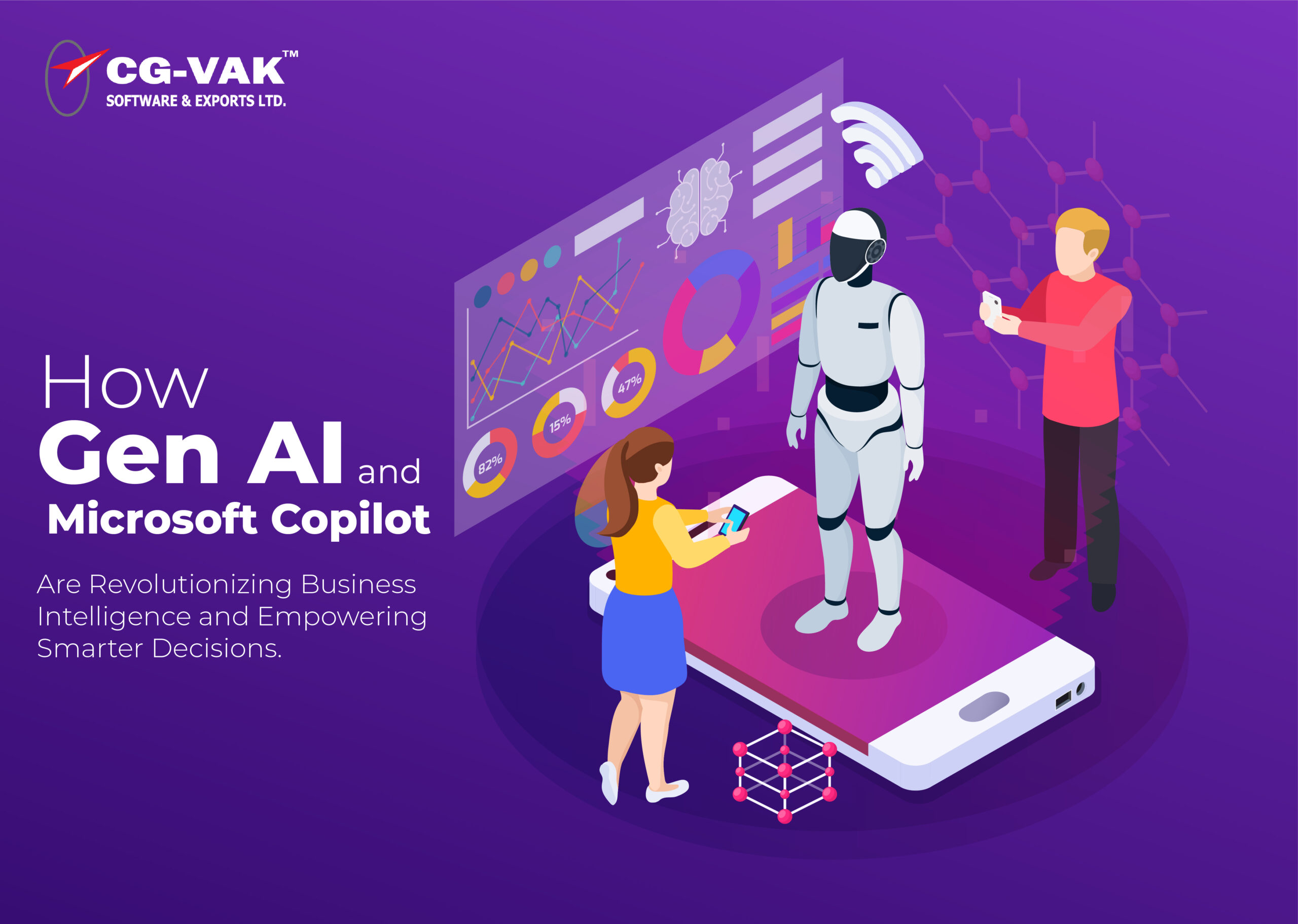
How Gen AI & Microsoft Copilot Are Revolutionizing Business Intelligence & Empowering Smarter Decisions

The ability to make informed decisions quickly is paramount. The advent of Generative AI (Gen AI) and tools like Microsoft Copilot is transforming the landscape of business intelligence (BI), enabling organizations to harness data more effectively than ever before. These technologies are reshaping how companies handle data, make decisions, and drive results. What if you could make smarter, faster business decisions without the complexity? The future of BI is already here.

The New Age of Business Intelligence

The shift from traditional BI methods to new, AI-powered solutions marks a significant evolution in how businesses operate. Historically, business intelligence relied heavily on manual reporting processes that were time-consuming and often prone to errors.

Analysts would spend countless hours generating reports, sifting through data, and trying to glean actionable insights from static spreadsheets.

Today, however, the landscape is changing dramatically. With the integration of Gen AI and advanced analytics tools, data analysis has evolved from manual reports to automated insights and natural language queries. 

Businesses can now leverage sophisticated algorithms that analyze vast amounts of data in real time, providing insights that were previously unimaginable.

This transition is not merely a technological upgrade; it’s a necessity for businesses aiming to stay competitive. Organizations that adopt these AI-powered business intelligence tools can expect significant improvements in efficiency. For instance, decision-making processes can become 30-40% faster as teams access real-time insights rather than waiting for manual reports. Additionally, companies can experience up to a 60% reduction in manual work related to data analysis and reporting.

Key Benefits of Gen AI and Microsoft Copilot

The integration of Gen AI and Microsoft Copilot into business intelligence frameworks offers numerous benefits that enhance productivity and decision-making capabilities. Here are some key advantages:

1. Natural Language Queries

One of the standout features of these technologies is the ability to perform natural language queries. Users can ask questions in plain English and receive actionable insights instantly. This democratizes data access; even non-technical users can interact with complex datasets without needing extensive training in data analysis or programming languages.

For example, a marketing manager can simply ask, “What were our top-performing campaigns last quarter?” and receive a detailed report highlighting key metrics and insights without having to navigate complex BI tools.

2. Automated Reporting

Automated reporting is another game-changer. Traditional reporting processes often require significant time investment from analysts who must compile data from various sources manually. With Gen AI, businesses can automate this process, reducing the time spent generating reports while increasing productivity.

Imagine a sales team that receives weekly performance reports automatically generated by an AI system. This allows team members to focus on strategy and execution rather than spending hours compiling data.

3. Personalized Recommendations

Gen AI systems can learn from user behavior over time, providing personalized recommendations tailored to specific business needs. This feature enhances decision-making by ensuring that users receive relevant insights based on their previous interactions with the system.

For instance, a financial analyst might receive alerts about emerging market trends that align with their investment strategies, allowing them to act swiftly on opportunities or mitigate risks.

These features significantly impact productivity across various industries such as finance, healthcare, and marketing. In finance, for example, firms can analyze market trends in real time to make informed investment decisions. In healthcare, providers can leverage patient data analytics to improve patient outcomes by identifying trends in treatment effectiveness.

4. Unlocking the Power of Data with Gen AI

Gen AI is not just about automating processes; it’s about unlocking the power of data for all users within an organization. By transforming how data is analyzed and presented, Gen AI enables even non-technical users to interact with complex datasets effectively.

5. Simplifying Data Interaction

With Gen AI tools, users can easily explore datasets through intuitive interfaces that allow for dynamic querying and visualization. This capability empowers employees at all levels to engage with data actively rather than relying solely on data analysts for insights.

For example, consider a retail company analyzing customer purchasing patterns during peak seasons. With Gen AI-driven analytics tools, they begin automating insights derived from customer purchase behaviors and inventory levels. The system identifies trends such as increased demand for specific products during certain times of the year.

Real-World Scenario: A Retail Transformation

Imagine a mid-sized retail company struggling with inventory management during holiday seasons. By implementing Gen AI analytics tools, they begin automating insights derived from customer purchase behaviors and inventory levels. The system identifies trends such as increased demand for specific products during certain times of the year.

As a result, store managers receive predictive insights about which items will likely sell out soon based on historical data patterns combined with real-time sales information. This proactive approach not only enhances customer satisfaction but also reduces excess inventory costs—demonstrating how intelligent analytics can lead to better decision-making.

6. Intelligent Predictive Insights

The concept of intelligent predictive insights gives businesses a competitive edge by enabling them to stay ahead of market changes. Companies leveraging these tools can anticipate customer needs and market trends more effectively than their competitors.

By utilizing predictive analytics powered by Gen AI, organizations can forecast sales trends based on historical performance data combined with external factors like economic indicators or social media sentiment analysis.

How Microsoft Copilot Simplifies BI

Microsoft Copilot plays a crucial role in enhancing BI tools like Power BI by simplifying user interactions with complex datasets. Its integration into existing workflows makes it easier for users to derive insights without extensive training or technical expertise.

1. Streamlined Data Interaction

One of the key features of Microsoft Copilot is its natural language querying capability. Users can ask questions about their data using conversational language rather than complex commands or queries. This streamlines the process of interacting with data and makes it accessible to everyone within an organization.

For instance, a project manager might ask Copilot for an overview of project timelines or resource allocation simply by typing or speaking their request. The system responds by generating relevant visualizations and summaries based on real-time data inputs.

2. Automated Content Creation

Copilot also excels in automated content creation—particularly report summarization—which saves valuable time for users while enhancing accessibility to critical information. Instead of manually compiling reports after analyzing datasets, users can rely on Copilot’s capabilities to generate concise summaries automatically.

This feature is particularly beneficial during meetings where stakeholders need quick access to key performance indicators (KPIs) or project updates without sifting through lengthy documents beforehand.

3. Faster Decision-Making

The combination of natural language querying and automated content creation means that teams can gain quicker insights than ever before—enabling faster decision-making processes across various departments within an organization.

For example, during quarterly planning sessions, executives can use Microsoft Copilot to rapidly assess departmental performance metrics while discussing strategic initiatives—eliminating delays caused by waiting for traditional reporting cycles.

Why Businesses Should Embrace These Technologies Now

As the business landscape continues evolving rapidly due to technological advancements—particularly regarding data management—it’s critical for organizations not just to adopt but also embrace Gen AI and Microsoft Copilot technologies sooner rather than later.

The Cost of Delay

Delaying the adoption of these powerful tools could result in missed opportunities for growth and innovation. Businesses that fail to innovate risk falling behind their competitors who leverage advanced analytics capabilities effectively.

In an increasingly competitive environment where agility matters more than ever before—companies must adapt quickly based on insights derived from their operations rather than relying solely on historical performance metrics alone.

Adapting to a Data-Driven World

The changing landscape of data management necessitates adaptation from all sectors—from small startups seeking scalability solutions through larger enterprises looking for ways optimize existing processes using intelligent automation technologies like those offered by Gen AI & Microsoft Copilot solutions alike!

Organizations must recognize that staying relevant requires continuous improvement efforts coupled with strategic investments into emerging technologies capable driving transformative results across every aspect operations—from sales forecasting down product development cycles!

Urgency for Competitive Advantage

Without providing specific metrics but emphasizing urgency—early adopters have already begun seeing transformative results regarding efficiency gains alongside enhanced decision-making capabilities! Companies leveraging these innovative solutions are positioning themselves favorably against competitors who may still rely on outdated methods lacking agility necessary thrive today’s fast-paced marketplace!

The Road Ahead: A Smarter Future

Looking forward—the future of business intelligence will undoubtedly be driven by ongoing advancements in artificial intelligence technologies such as those found within Generative AI frameworks coupled alongside user-friendly interfaces provided through platforms like Microsoft Copilot!

Continuous Integration Opportunities

Businesses aiming stay ahead should begin integrating these powerful tools into their systems now—to avoid falling behind as new innovations emerge continuously! The potential applications extend far beyond traditional BI functions—they encompass everything from customer relationship management (CRM) systems through supply chain optimization efforts—all benefiting greatly from enhanced analytical capabilities driven by intelligent automation!

Encouraging Strategic Thinking

As organizations explore integration possibilities—they should encourage employees at every level think strategically about how best utilize these technologies enhance operational effectiveness! By fostering an environment where experimentation encouraged—companies will unlock new avenues growth previously unimagined!

Final Thoughts

In the end, the evolving nature business intelligence underscores importance embracing innovative solutions such as Generative AI & Microsoft Copilot! By adopting these technologies—businesses position themselves favorably against competitors while driving greater success overall! Continuous improvement efforts coupled strategic investments into emerging tech will ensure organizations remain agile enough navigate challenges ahead successfully!

Ready to unlock the full potential of your data? Reach out today to explore how advanced BI solutions can streamline your operations, boost decision-making capabilities, and provide you with a competitive edge!

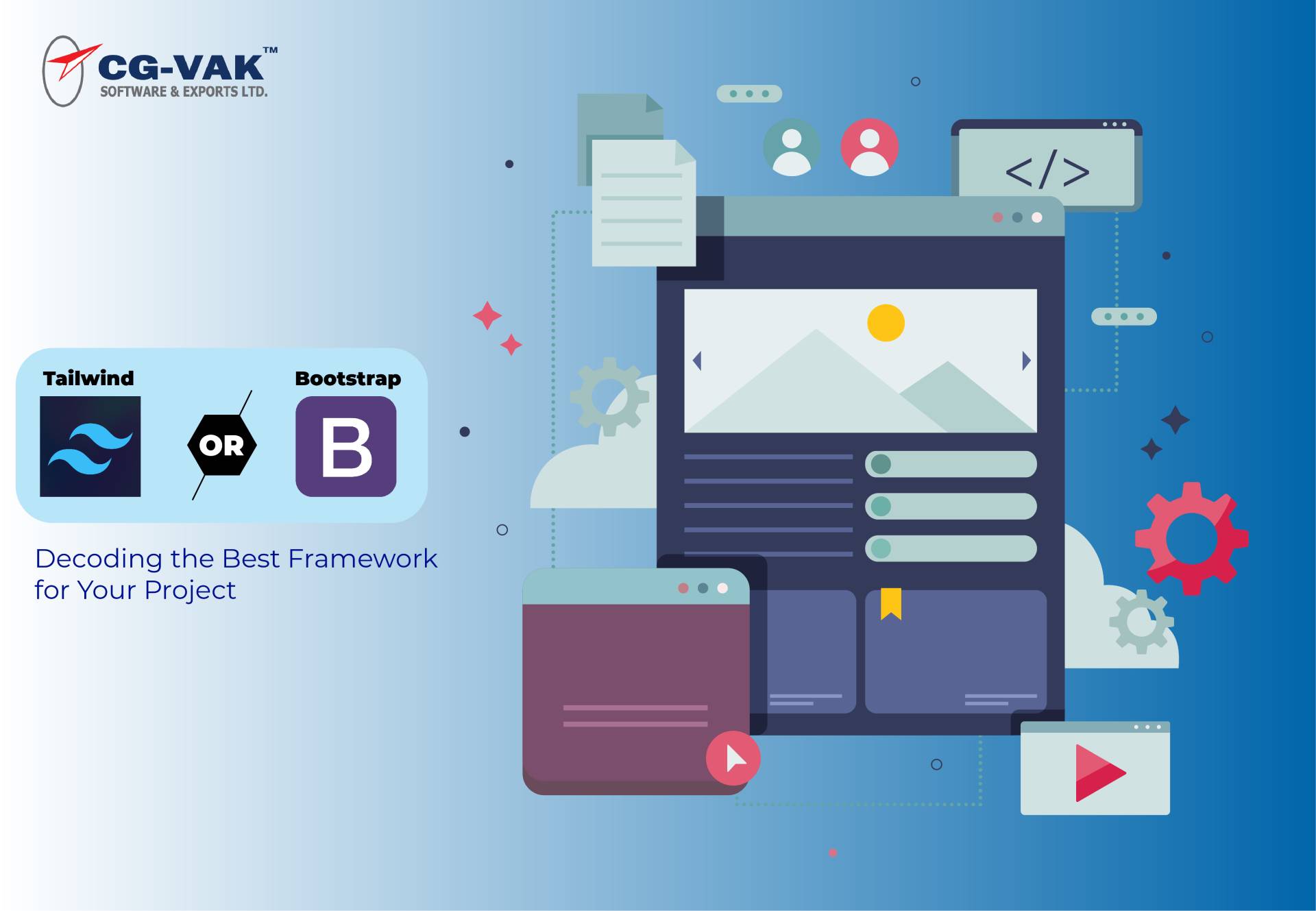
Top Angular JS Alternatives for Modern Web DevelopmentServices

As Angular JS reaches its end-of-life, the debate of Angular JS vs other frameworks has become increasingly relevant. Developers and businesses are actively seeking frameworks to replace Angular JS that offer enhanced performance, better community support, and modern features.

This comprehensive guide explores the best JavaScript frameworks available today, helping developers make an informed decision when looking for Angular JS alternatives.

React JS: Leading the Way in Modern Web Frameworks

When considering the switch from Angular JS to React, developers often find themselves drawn to React JS’s robust ecosystem. Developed by Facebook, React has established itself among the most popular web frameworks, particularly for those seeking Angular JS upgrade alternatives.

Key Features of React JS:

  • Virtual DOM: A lightweight copy of the actual DOM that React uses to optimize rendering performance by minimizing direct DOM manipulations. This approach significantly reduces the computational overhead and improves application responsiveness, making it one of the best frameworks for SPAs (Single Page Applications).
  • Component-based Architecture: An organizational structure that breaks down user interfaces into reusable, self-contained pieces. This modular approach enables better code maintenance, reusability, and testing while promoting cleaner development practices in modern web frameworks.

Advantages of React JS:

  • Strong Community Support: A vast ecosystem of developers, resources, and third-party libraries ensures quick problem resolution, regular updates, and abundant learning materials for continuous improvement and development.
  • Highly Flexible for Large and Small Projects: React’s unopinionated nature allows developers to choose their preferred tools and architecture, making it adaptable for various project sizes while maintaining consistency and scalability.

Vue.js: The Progressive Framework for Modern Development

In the ongoing Vue vs React vs Angular comparison, Vue.js emerges as a compelling Angular JS alternative for developers. It’s particularly praised among JavaScript frameworks for beginners due to its gentle learning curve and comprehensive documentation.

Key Features of vue.js:

  • Lightweight: The core framework is extremely compact, focusing on essential features without unnecessary bloat. This results in faster loading times and improved performance for web applications.
  • Two-way Data Binding: Automatically synchronizes data between the model and view components, reducing the need for manual DOM manipulation and ensuring consistent data representation across the application.
  • Reusable Components: Pre-built modules that can be easily imported and customized for different parts of your application, making Angular JS to Vue migration smoother and more manageable.

Advantages of vue.js:

  • Great for Fast Development: Vue’s intuitive syntax and comprehensive documentation accelerate the development process, allowing teams to build and deploy applications more quickly while maintaining code quality.
  • Easy Integration with Other Libraries: Vue’s flexible architecture allows seamless integration with existing projects and third-party libraries, making it an excellent choice for gradual migrations or hybrid applications.

Svelte: The Future of JavaScript Frameworks

Among the new JavaScript frameworks, Svelte stands out as one of the fastest JavaScript frameworks available. Its innovative approach to frontend development frameworks sets new standards for performance and efficiency.

Key Features of Svelte:

  • Compile-time Framework: Transforms components into highly optimized vanilla JavaScript during the build process, eliminating the need for framework-specific runtime code and improving application performance.
  • No Virtual DOM: Directly updates the DOM when state changes occur, avoiding the overhead of maintaining and diffing a virtual DOM structure, resulting in faster and more efficient updates.

Advantages of Svelte:

  • Lightweight: The compiled output contains only the necessary code for your application, resulting in smaller bundle sizes and faster load times compared to traditional frameworks.
  • Improved Speed: Direct DOM manipulation and compile-time optimization lead to exceptional runtime performance, making applications more responsive and user-friendly.
  • Less Boilerplate Code: Svelte’s intuitive syntax reduces the amount of code needed to achieve common functionality, improving developer productivity and code maintainability.

Ember.js: Enterprise-Grade Framework for Complex Applications

When evaluating Angular JS vs modern frameworks, Ember.js stands out for its comprehensive approach to application development. It represents a mature option among frontend frameworks 2024 offerings.

Key Features of Ember.js:

  • Convention-based: Follows established patterns and best practices that streamline development by reducing the number of decisions developers need to make about file layout and configuration.
  • Out-of-the-box Tools: Provides a comprehensive suite of development tools, including routing, templating, and data management solutions, enabling rapid application development.

Advantages of Ember.js:

  • Great for Large Projects: The structured approach and built-in conventions make it easier to maintain consistency across large codebases and teams working on enterprise-level applications.
  • Minimal Configuration: Reduces setup time and configuration overhead by providing sensible defaults and established patterns, allowing developers to focus on building features.
  • Strong Community: Active community support ensures regular updates, security patches, and a wealth of resources for troubleshooting and learning.

Backbone.js: The Minimalist Alternative

In the context of Angular JS vs Backbone.js comparisons, Backbone.js offers a refreshingly simple approach to application architecture. It remains a viable option for developers seeking a lightweight framework with maximum flexibility.

Key Features of Backbone.js:

  • Event-driven Communication: Implements a robust event system that enables loose coupling between components, making it easier to build and maintain complex user interfaces.
  • Lightweight: Focuses on providing essential structure while maintaining a small footprint, making it ideal for projects that require basic organization without framework overhead.

Advantages of Backbone.js:

  • Easy to Learn: The straightforward architecture and minimal learning curve make it accessible for developers transitioning from vanilla JavaScript or other frameworks.
  • Perfect for Smaller Applications: Ideal for projects that need basic structure without the complexity of larger frameworks, offering full control over application architecture.

The Evolution of Frontend Frameworks in 2024

The future of JavaScript frameworks continues to shape the development landscape. As we examine frontend frameworks 2024 trends, we see a clear focus on performance, developer experience, and scalability. The competition among modern web frameworks is driving innovation in the space of frameworks to replace Angular JS.

Making the Right Choice

When evaluating Angular JS upgrade alternatives, consider these crucial factors:

  1. Project scale and complexity
  2. Team expertise and learning curve
  3. Performance requirements
  4. Community support and ecosystem
  5. Long-term maintenance and scalability
  6. Migration complexity from existing systems

Conclusion

The transition away from Angular JS presents an opportunity to adopt more modern, efficient frameworks. Whether you’re considering popular web frameworks like React and Vue, or exploring newer options like Svelte, the key is to align your choice with your project’s specific needs and team capabilities.

For developers looking to stay ahead in the ever-evolving landscape of web development, understanding these frameworks and their respective strengths is crucial. As we continue to see advancements in frontend development frameworks, the future of JavaScript frameworks looks bright with endless possibilities for creating robust, scalable, and performant web applications.

Remember that the best JavaScript frameworks for your project will depend on your specific requirements, team expertise, and long-term goals. Take time to evaluate each option carefully, considering both immediate needs and future scalability requirements.

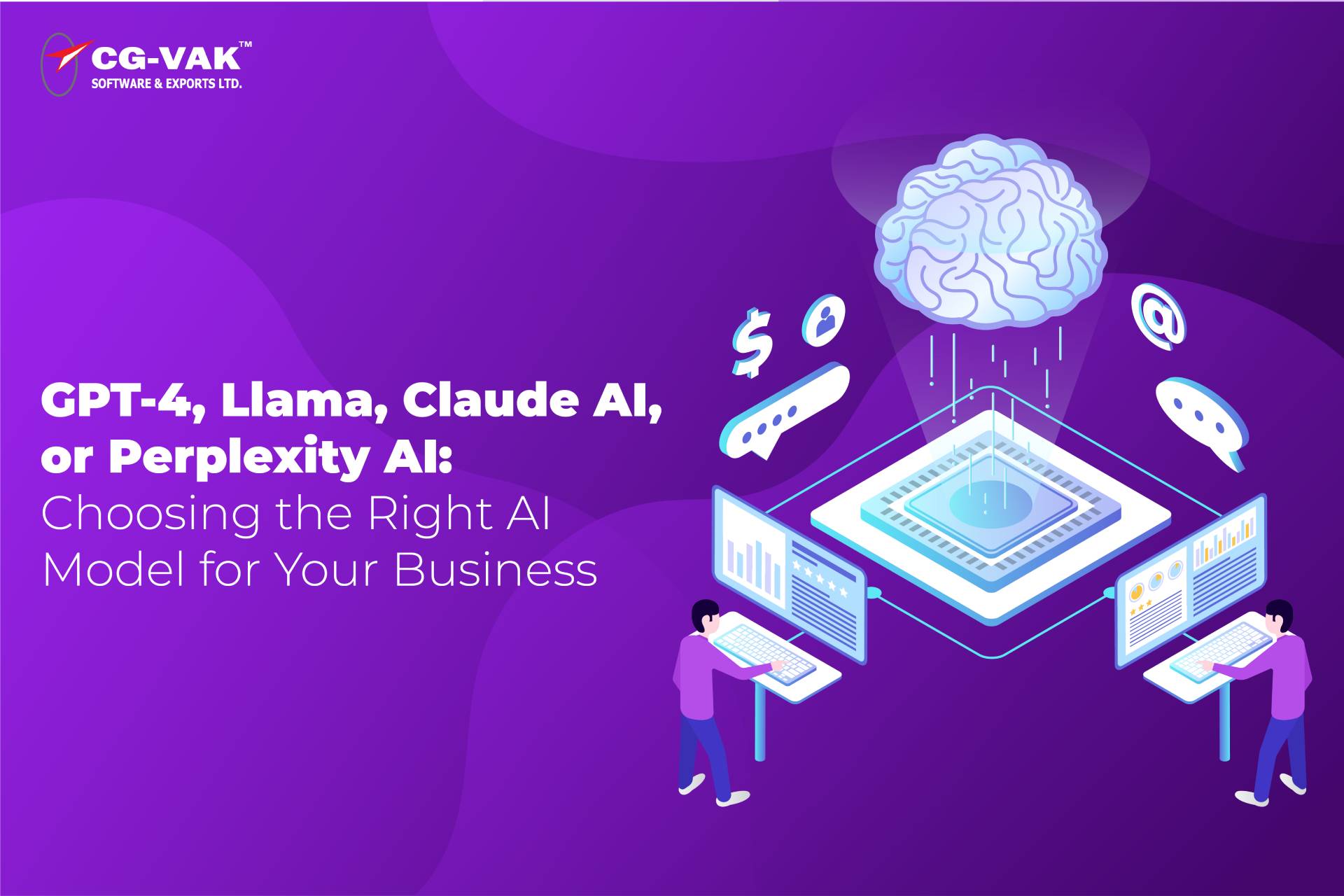
GPT-4, Llama, Claude AI, or Perplexity AI: Choosing the Right AI Model for Your Business

Top AI tools based on Large Language Models have emerged as powerful assets transforming various industries. These cutting-edge AI technologies are revolutionizing how businesses interact with customers, process information, and make decisions.

Among the key players in the current AI space, four models stand out as some of the best large language models: GPT-4, Llama, Claude AI, and Perplexity AI. Each of these best AI tools for business brings unique capabilities and approaches to the table, offering personalized AI solutions for different organizational needs.

As companies increasingly look to leverage AI ML solutions, choosing the right AI language model becomes crucial. The decision can significantly impact an organization’s ability to implement effective conversational AI applications, streamline operations, and gain a competitive edge.

This blog post will delve into the characteristics of these large language models AI, helping you identify the best AI tools for your business and guiding you towards the most suitable AI ML solutions for your specific requirements.

Overview of the AI Models

GPT-4

Developed by OpenAI, GPT-4 represents the latest evolution in the GPT (Generative Pre-trained Transformer) series. As one of the most advanced large language models AI, GPT-4 builds upon its predecessors’ success, offering enhanced natural language understanding and generation capabilities. Its versatility makes it suitable for a wide range of applications, from content creation and code generation to complex problem-solving tasks, positioning it as one of the best AI language models available.

Key features and functionalities of GPT-4:

  • GPT-4’s advanced language understanding: It allows it to grasp context and nuances in text, leading to more accurate and relevant responses across various scenarios, including AI website development.
  • Multilingual proficiency: The model supports multiple languages, facilitating global communication and content creation for diverse audiences across different markets, enhancing its value as one of the top AI tools.
  • Creative writing capabilities: From storytelling to poetry, GPT-4 demonstrates remarkable creativity in generating engaging and original written content, making it a versatile tool for content creators.
  • Complex problem-solving: The model can break down and solve intricate problems across various domains, including mathematics, logic, and theoretical concepts, showcasing its potential in advanced AI ML solutions.
  • Task adaptability: GPT-4 quickly adapts to different tasks and instructions, making it versatile for various business applications and workflows in artificial intelligence and language processing.

Llama

Meta’s Llama model takes a different approach, focusing on efficiency and specific task performance. Designed to be more lightweight than some of its counterparts, Llama aims to provide powerful AI capabilities while requiring less computational resources. This makes it an attractive option for businesses looking to implement AI solutions without the need for extensive hardware investments.

Key features and functionalities of Llama:

  • Efficient resource utilization: Llama’s design prioritizes computational efficiency, allowing for deployment on less powerful hardware while maintaining high performance, ideal for businesses with limited resources.
  • Customizable model sizes: Llama offers various model sizes, enabling businesses to choose the right balance between capability and resource requirements, making it adaptable as one of the best AI tools for business.
  • Open-source flexibility: As an open-source model, Llama allows developers to modify and fine-tune it for specific use cases and industries, enhancing its potential as a personalized AI solution.
  • Natural language processing: Llama excels in tasks such as text classification, named entity recognition, and sentiment analysis for diverse applications in artificial intelligence and language processing.
  • Multilingual support: The model can process and generate text in multiple languages, facilitating global business communications and content strategies across various markets and cultures.
  • Domain-specific fine-tuning: Llama can be easily adapted to specific industries or tasks, improving performance in niche applications and specialized fields, making it a versatile choice among top AI tools.

Claude AI

Developed by Anthropic, Claude AI stands out for its focus on safety and ethics in AI decision-making. This model is designed with a strong emphasis on aligning AI behavior with human values, making it a compelling choice for businesses prioritizing responsible AI use. Claude AI excels in tasks requiring careful consideration of ethical implications and transparent reasoning, positioning it as one of the best large language models for conscientious AI applications.

Key features and functionalities of Claude AI:

  • Ethical decision-making: Claude AI incorporates ethical considerations into its responses, promoting responsible and value-aligned AI use in business contexts and AI ML solutions.
  • Transparency in reasoning: The model provides clear explanations for its outputs, enhancing trust and allowing users to understand its decision-making process, crucial for businesses implementing cutting-edge AI technologies.
  • Bias mitigation: Claude AI is designed to recognize and minimize various forms of bias, promoting fair and equitable AI-driven outcomes in diverse applications, including AI website development.
  • Complex instruction following: The model excels at understanding and executing multi-step, nuanced instructions for a wide range of tasks, enhancing its utility as one of the best AI tools for business.
  • Contextual understanding: Claude AI maintains context over long conversations, enabling more coherent and relevant interactions in various applications of artificial intelligence and language processing.
  • Analytical capabilities: The model can perform in-depth analysis of complex topics, offering insights and summaries for decision-making processes, valuable for businesses seeking comprehensive AI ML solutions.

Perplexity AI

Perplexity AI takes an innovative approach to information retrieval and conversational AI. Known for its ability to provide detailed, sourced responses, Perplexity AI combines the power of language models with real-time information access. This makes it particularly useful for tasks requiring up-to-date information and comprehensive answers, positioning it as one of the top AI tools for research-intensive applications.

Key features and functionalities of Perplexity AI:

  • Real-time information retrieval: Perplexity AI accesses current data to provide up-to-date responses, crucial for dynamic business environments and decision-making in rapidly changing fields.
  • Source citation: The model offers citations for its information, enhancing credibility and allowing users to verify data independently, a valuable feature for businesses relying on AI-driven insights.
  • Comprehensive answer generation: Perplexity AI excels at providing detailed, multi-faceted answers to complex queries, supporting thorough research and analysis in various business contexts.
  • Query refinement: The model can engage in back-and-forth dialogues to clarify questions, ensuring more accurate and relevant responses, enhancing its effectiveness in conversational AI applications.
  • Cross-reference capabilities: Perplexity AI can synthesize information from multiple sources, offering a more complete picture for informed decision-making, crucial for businesses leveraging AI ML solutions.
  • Continuous learning: With access to recent information, Perplexity AI can adapt to new developments and trends in various fields, making it a dynamic tool among the best AI language models.

Future Prospects : Analyzing Analyze where each AI model is headed.

As AI continues to advance, each of these models is poised for further development and refinement. Here’s a look at where each AI model is headed and potential future upgrades, shaping the landscape of cutting-edge AI technologies:

GPT-4

  • Continued improvements in context understanding and task performance, solidifying its position among the best large language models.
  • Potential development of domain-specific variants to cater to specialized industry needs in AI ML solutions.
  • Enhanced multimodal capabilities, integrating text with other data types for more comprehensive AI applications.

Llama

  • Further optimizations for efficiency and speed, making it an even more attractive option for AI in web development.
  • Expanded pre-training on diverse datasets to enhance its capabilities as one of the top AI tools.
  • Development of industry-specific versions through fine-tuning, catering to niche markets and specialized business needs.

Claude AI

  • Improved ability to handle complex, multi-step tasks, enhancing its utility in sophisticated AI ML solutions.
  • Enhanced transparency in decision-making processes, crucial for businesses prioritizing explainable AI

Perplexity AI

  • More sophisticated information synthesis capabilities, further establishing it as one of the best AI tools for research and analysis.
  • Improved accuracy in source attribution and fact-checking, enhancing its reliability for critical business decision-making.

Comparison of 4 LLMs: Which one to Choose

  1. Accuracy and Reliability:
    GPT-4 and Claude AI are known for their high accuracy and reliability.

    Claude AI, in particular, is designed with a strong focus on minimizing errors and hallucinations, making it excellent for tasks requiring precision
  2. Creativity and Flexibility:
    GPT-4 is generally considered more creative and flexible in its outputs compared to Claude AI.
  3. Reasoning and Problem-Solving:
    GPT-4o (the latest version) is reported to have a slight edge over Claude 3 in complex problem-solving, difficult logical reasoning, and mathematical tasks.
  4. Writing Quality:
    Claude 3 is considered superior to GPT-4 Turbo in prose writing, dialogue, and poetry, producing more human-like and reasonable outputs.
  5. Open-Source vs. Proprietary:
    Llama stands out as an open-source model, which offers greater flexibility for customization and research purposes. This can be a significant advantage for developers and researchers who need to modify or fine-tune the model.
  6. Real-time Information:
    Perplexity AI excels in providing up-to-date information through its real-time web search capabilities.
  7. Specialized Versions:
    Each model offers specialized versions for specific tasks. For example, GPT-4 has GPT-4 Turbo, Llama has Code Llama (specialized for coding tasks), and Perplexity AI offers access to multiple advanced models including GPT-4o and DALL-E.
  8. Ethical Considerations:
    Claude AI is noted for its safety-oriented design and ethical AI focus, which may be crucial for applications where responsible AI use is a priority.
  9. Language Support:
    Llama supports eight languages and offers real-time processing capabilities, which could be advantageous for multilingual applications.

When choosing the right model, consider your specific use case, the importance of up-to-date information, the need for creativity versus accuracy, and whether you require open-source flexibility. Each model has its strengths, and the best choice will depend on your particular requirements and goals.

Conclusion

Choosing the right AI model for your business depends on your specific needs, resources, and priorities. GPT-4 offers versatility and advanced capabilities for a wide range of tasks, making it suitable for businesses seeking a comprehensive AI ML solutions.

As you consider integrating AI into your operations, whether for AI website development or other applications, carefully assess your needs against the strengths of each model.

Remember that the field of artificial intelligence and language processing is rapidly evolving, and staying informed about the latest developments in large language models AI is crucial for making the best choice for your business.

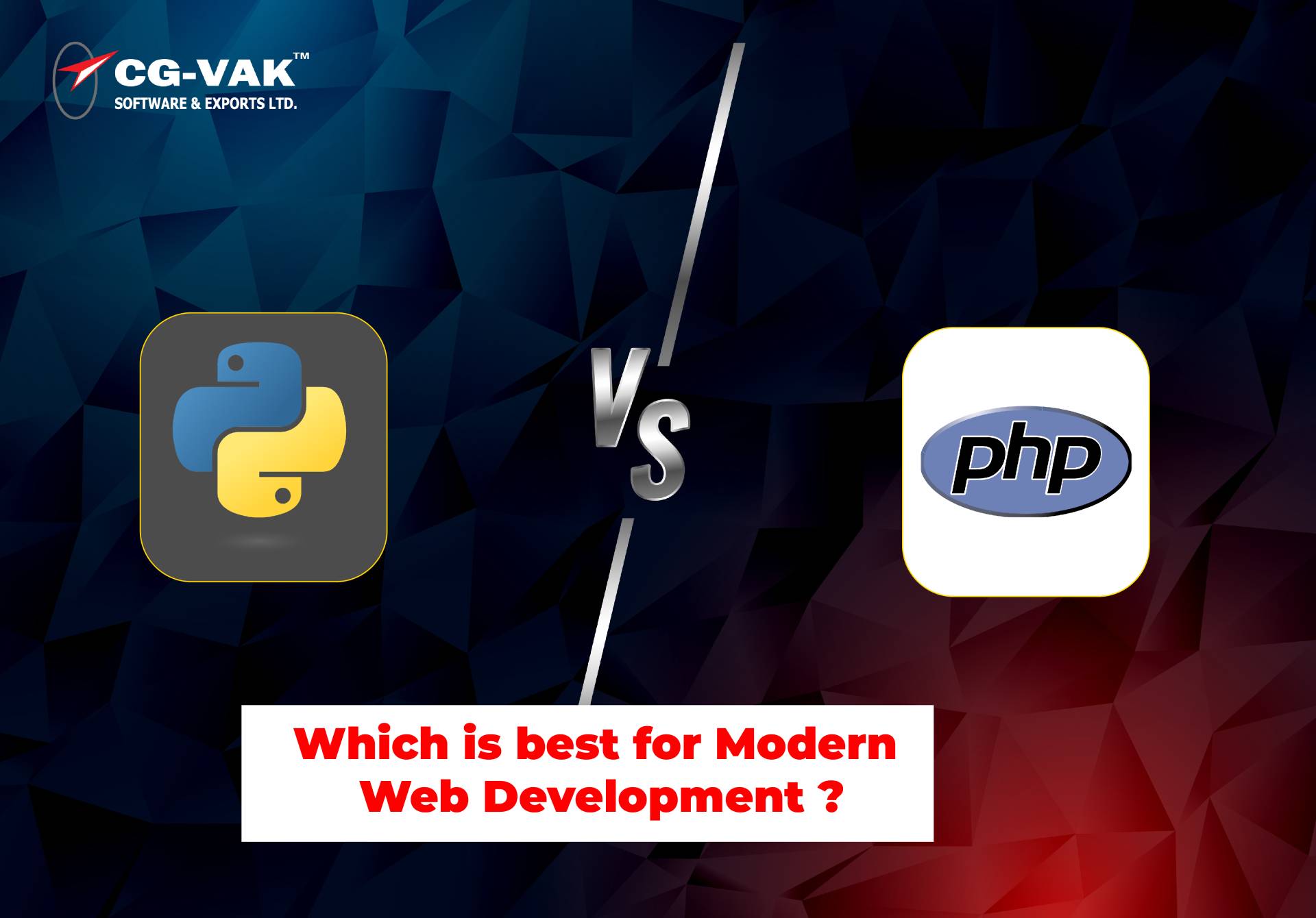
Python vs. PHP: A Comprehensive Comparison for Modern Web Development

PHP and Python have emerged as the most popular server-side languages for businesses. However, deciding between the two can be challenging.

While PHP has been a long-standing choice for many websites, Python has seen a significant rise in popularity in recent years.

If you’re unsure whether Python development is suitable for your project or if you should stick with PHP, this comparison will help you make an informed decision.

We’ll explore the basics of both languages and compare them across various factors, including speed to market, security, performance, versatility, scalability, ease of installation, debugging, web framework options, environment management, developer community support, and documentation.

By the end of this in-depth analysis, you’ll have a clear understanding of each language’s strengths and weaknesses, allowing you to choose the one that best fits your project requirements and development team’s preferences.

Comparison Between PHP and Python

  1. Python vs. PHP speed


    PHP:

    PHP programming is often the go-to language for web applications due to its seamless integration with HTML. This makes it easy for developers to create dynamic websites quickly.

    The language’s extensive frameworks, such as Laravel, enhance this speed by providing built-in tools and functionalities that streamline development processes.

    As a result, businesses can launch their products faster, allowing them to respond promptly to market demands and user feedback, which is critical in today’s competitive landscape.

    Python:

    Python programming is suitable for projects that require ongoing adjustments and improvements. While the initial setup might be more involved than PHP, the long-term benefits of flexibility and ease of use can lead to faster overall development cycles.

  2. Python vs. PHP Security


    PHP:

    Over the years, PHP has made significant strides in enhancing its security features, focusing on critical aspects like input validation and session management.

    These improvements help mitigate common vulnerabilities such as SQL injection and cross-site scripting (XSS). However, PHP applications can still be vulnerable if developers do not adhere to best practices or use outdated libraries.

    Regular updates and proper coding techniques are essential for maintaining a secure PHP environment.

    Python:

    Python programming advantages encourage developers to adopt secure coding practices through design principles emphasizing readability and maintainability.

    Frameworks like Django come with built-in protections against common web vulnerabilities, making it easier for developers to implement security measures effectively.

    Overall, when best practices are followed, Python provides a more secure foundation for applications.

  3. Python vs. PHP Performance


    PHP:

    PHP has shown considerable improvements in performance with the release of PHP 7 and later versions. These updates have enhanced execution speed and memory usage, making PHP particularly effective for high-traffic websites that require quick response times.

    PHP’s ability to efficiently handle concurrent requests contributes to its performance advantages in web scenarios. Optimizing PHP code can lead to even better performance outcomes in various applications.

    Python:

    While Python excels in many areas, its performance can lag behind PHP’s in web applications due to its interpreted nature. This means that Python code is executed line by line, which can slow down execution compared to compiled languages like PHP.

    However, Python shines in data processing tasks thanks to libraries like NumPy and Pandas that optimize performance for specific use cases. Python’s strengths may outweigh its performance drawbacks for heavy data manipulation or analysis applications.

  4. Python vs. PHP Web Development


    PHP:
    • Web-Centric Design: PHP was specifically created for web development, optimizing its features and syntax for tasks like generating HTML, processing form data, and interacting with databases. This specialization allows for efficient web application creation but limits its use in other domains.
    • Server-Side Scripting Strength: PHP excels at server-side operations, enabling dynamic content generation, user authentication, and seamless database interactions. Its integration with web servers and extensive libraries for web-related tasks make it a powerful tool for building robust web applications.
    • Limited Versatility: Unlike Python, which is used in various fields including data science, AI, and desktop applications, PHP’s primary focus on web development restricts its applicability in other areas. This specialization can be advantageous for web projects but may constrain developers seeking a more versatile language for diverse programming needs.

    Python:
    • Versatile Language: Python excels in multiple domains, not limited to web development.
    • Broad Application Range: Supports data analysis, AI, ML, automation, and scientific computing.
    • Extensive Library Ecosystem: Offers numerous libraries for various fields, enhancing its utility.
    • Flexibility for Developers: Allows teams to use one language for diverse projects, reducing the need to switch between different programming languages.
    • Adaptable to Different Tasks: Python’s design and features make it suitable for a wide array of programming needs, from simple scripts to complex applications, making it a popular choice for both beginners and experienced developers.


  5. PHP vs Python Scalability


    PHP:

    Scalability is crucial for growing applications, and PHP is well-suited for this purpose due to its efficient handling of concurrent requests and compatibility with various databases.

    Frameworks like Laravel provide built-in tools that enhance scalability features by offering modular architectures and caching mechanisms. This makes it easier to manage increased traffic without compromising performance or user experience as the application grows over time.

    Python:

    While Python’s architecture supports scalability through modular design patterns, managing performance at scale often necessitates more careful planning regarding database management and server infrastructure.

    Despite these challenges, Python’s ability to integrate with cloud services further enhances its scalability options for modern applications.

  6. Python vs. PHP Ease of Use


    PHP:

    Due to its widespread use in web hosting environments, installing PHP is relatively straightforward on most servers. It integrates seamlessly with popular web servers like Apache and Nginx, allowing developers to set up their environments quickly without extensive configuration steps.

    Python:

    Installing Python can be more complex due to the need for virtual environments or package managers like Pip when managing dependencies in larger projects.

    Developers often need to navigate different versions of Python and ensure compatibility with various libraries they intend to use.

  7. Python vs. PHP Debugging


    PHP:

    Debugging in PHP has become easier over time thanks to various tools, such as Xdebug, which allow developers to trace errors effectively within their codebases.

    However, debugging can sometimes be cumbersome due to PHP’s less strict syntax than other languages. This leads to hidden bugs that are harder to identify during development phases.

    Proper error-handling practices are essential in ensuring smooth debugging experiences with PHP applications.

    Python:

    Python’s clean syntax and emphasis on readability make debugging much more accessible than many other languages, including PHP.

    Errors tend to be more apparent due to clear error messages generated during execution, allowing developers to identify issues quickly without extensive tracing efforts.

    Additionally, integrated development environments (IDEs) often provide robust debugging tools explicitly tailored for Python development, further enhancing the debugging experience.

  8. Python vs. PHP Framework


    PHP:

    PHP boasts a variety of mature frameworks, such as Laravel and Symfony. Numerous plugins and community support enhance the functionality of these frameworks, making them popular choices among developers working on large-scale projects.

    Python:

    Python also offers powerful frameworks like Django and Flask that support rapid application development but may require more initial configuration than PHP frameworks.

    Django provides an all-inclusive framework with built-in features like authentication and admin interfaces. At the same time, Flask offers flexibility through minimalism, allowing developers greater control over their application structure but at the cost of additional setup work, which is required initially.

  9. Developer Community & Support


    PHP:

    The developer community surrounding PHP has been established since the late 1990s due to its widespread adoption in web development contexts.

    This long-standing presence has resulted in extensive resources available online, including forums, documentation sites, tutorials, and open-source projects, which contribute significantly to knowledge sharing among developers working with this language today.

    Python:

    Python’s community has rapidly grown, especially in data science and artificial intelligence (AI) fields. Numerous online resources, including tutorials on platforms like YouTube or educational websites, along with active forums, ensure ample support for Python.

  10. Python Libraries vs. PHP Libraries


    Python Libraries:
    • Python boasts a rich ecosystem with extensive libraries like NumPy and Pandas, which are ideal for data analysis and scientific computing
    • These libraries enhance Python’s versatility across various domains, including machine learning and automation
    • Python’s libraries offer broader applications beyond web development, making it a preferred choice for projects requiring diverse functionalities

    Python:
    • PHP libraries primarily focus on web development, with frameworks like Laravel and Symfony providing robust tools for building dynamic websites
    • While PHP excels in server-side scripting, its libraries are more specialized for web applications compared to Python’s more general-purpose libraries

Final Verdict

Both languages have their strengths and ideal use cases in the ongoing debate between PHP and Python. PHP excels in web development, particularly for dynamic websites, thanks to its speed and mature frameworks like Laravel.

Conversely, Python is versatile, making it suitable for various applications, including data science and AI.

Ultimately, the choice between PHP and Python should depend on your specific project requirements and team expertise.

Our expert team can guide you through the development process, ensuring you choose the right technology stack tailored to your needs. Contact us today to elevate your web development journey!

Accelerating Your Business Growth Through Python Development Outsourcing

In today’s rapidly evolving digital landscape, businesses are constantly seeking ways to innovate and stay ahead of the competition. One strategy that has gained significant traction is Python development outsourcing. This strategy enables businesses to access a worldwide talent pool, foster innovation, and reduce expenses. But what should businesses consider making the most out of this global collaboration? Let’s dive in and explore how outsourcing Python development can be a game-changer for your organization.

Python has emerged as a cornerstone of digital transformation, powering everything from web applications to artificial intelligence. Its versatility and efficiency have made it a go-to language for businesses across various industries. As the demand for Python expertise grows, many companies are turning to outsourcing for specialized Python development. This strategy offers numerous benefits, including access to a wider talent pool, cost-effectiveness, and the ability to scale quickly.

The Importance of Python in Driving Digital Transformation

Python’s simplicity, readability, and robust ecosystem of libraries make it an ideal language for driving digital transformation initiatives. From data analysis and machine learning to web development and automation, Python’s versatility allows businesses to innovate across multiple domains.

Why Businesses are Turning to Outsourcing for Python Development

Access to a Global Talent Pool

Outsourcing Python projects allows businesses to tap into a diverse global talent pool. This access means companies can find highly skilled developers with specialized expertise in Python, regardless of geographical location. By leveraging international talent, organizations can benefit from innovative ideas, varied perspectives, and advanced technical skills that may not be readily available in their local markets. This diversity can lead to enhanced problem-solving and creativity, ultimately improving project outcomes.

Cost-effectiveness

Outsourcing Python projects is highly attractive due to its cost-efficiency. By partnering with external teams, businesses can significantly reduce labor costs, as many outsourcing destinations offer competitive pricing. This financial advantage allows companies to allocate resources more efficiently, investing in other critical areas of their operations. Furthermore, outsourcing eliminates the need for extensive in-house infrastructure and overhead costs, enabling organizations to achieve high-quality results without straining their budgets.

Scalability and Flexibility

By outsourcing, companies gain the ability to scale and adjust flexibly to meet evolving project requirements. Companies can easily ramp up or down their development resources based on project requirements, ensuring they can respond swiftly to market changes or unexpected challenges. This adaptability is particularly beneficial for startups and growing businesses, allowing them to manage workloads efficiently without the long-term commitment of hiring full-time staff.

Faster Time-to-Market

Outsourcing Python projects can significantly accelerate the time-to-market for new products and features. By leveraging the expertise of external teams, businesses can streamline development processes and benefit from faster implementation. This speed is crucial in today’s competitive landscape, where being first to market can provide a significant advantage. Quick turnaround times enable companies to respond to customer needs and capitalize on emerging trends more effectively.

Focus on Core Business Functions

By outsourcing Python projects, organizations can concentrate on their core business functions. This strategic focus allows internal teams to dedicate their time and resources to areas that drive growth and innovation, such as strategy development, customer engagement, and product improvement. Outsourcing routine or specialized tasks frees up valuable bandwidth, enabling businesses to enhance their overall efficiency and effectiveness while ensuring that their primary objectives remain at the forefront.

The Strategic Advantage of Outsourcing Python Development

Outsourcing Python development offers several strategic advantages that can significantly impact your business growth:

Rapid Scaling: Quickly ramp up your development capabilities to meet project demands.

Cost Optimization: Lower the expenses related to recruiting and sustaining an internal team.

Access to Specialized Expertise: Tap into niche skills and experience that may not be available locally.

24/7 Development Cycle: Leverage time zone differences for continuous development and faster project completion.

Focus on Core Competencies: Free up internal resources to concentrate on strategic business activities.

By partnering with a Python software development company, businesses can leverage these advantages to accelerate their growth and innovation.

What to Look for in an Outsourcing Partner

Choosing the right Python development outsourcing partner is crucial for project success. Here are key factors to consider, elaborated in detail:

  • Technical Expertise
  • Portfolio and Case Studies
  • Communication Skills
  • Cultural Fit
  • Security Measures
  • Scalability
  • Quality Assurance Processes

When you hire Python developers, it’s essential to thoroughly vet potential partners to ensure a good fit for your project and organization.

Overcoming Future Challenges in Python Development Outsourcing

While outsourcing Python development offers numerous benefits, it’s important to be aware of potential challenges and how to address them:

  • Communication Barriers: Implement clear communication channels and regular check-ins to ensure alignment.
  • Time Zone Differences: Establish overlapping working hours and use asynchronous communication tools effectively.
  • Quality Control: Set clear quality standards and implement rigorous code review processes.
  • Knowledge Transfer: Develop comprehensive documentation and conduct regular knowledge sharing sessions.
  • Cultural Differences: Foster cultural awareness and promote inclusive practices within the team.

By proactively addressing these challenges, businesses can maximize the benefits of their Python outsourcing services and ensure long-term success.

The Role of Emerging Technologies in Python Development Outsourcing

As technology advances, the field of Python development outsourcing transforms accordingly. Emerging technologies are shaping the future of this field:

#1. Artificial Intelligence and Machine Learning: Python for AI development is becoming increasingly important, with outsourcing partners offering specialized expertise in these areas.

#2. Internet of Things (IoT): Python’s versatility makes it ideal for IoT applications, opening new avenues for outsourcing projects.

#3. Cloud Computing: The shift towards cloud-native development is influencing how Python development services are delivered.

#4. DevOps and Automation: Python automation development is streamlining processes and improving efficiency in outsourced projects.

#5. Blockchain: As blockchain technology gains traction, Python’s role in developing decentralized applications is growing.

Staying abreast of these technological trends ensures that businesses can leverage the full potential of their Python development outsourcing partnerships.

Conclusion

Outsource Python development enables businesses to harness global talent, innovate rapidly, and optimize costs. By embracing this strategy, companies can accelerate growth and lead in their industries. Whether you’re looking for remote Python developers to augment your team or seeking comprehensive Python development solutions, outsourcing offers a flexible and effective approach to achieving your business objectives.

At CG-VAK, we understand the nuances of Python web development outsourcing and are committed to helping businesses unlock their full potential. Our team of offshore Python developers brings a wealth of experience across various domains, ensuring that your projects are delivered with the highest quality and efficiency.

From custom Python development to Python web development outsourcing, we offer a comprehensive range of services tailored to your specific needs. Our Python development team is adept at leveraging the latest technologies and best practices to deliver innovative solutions that drive your business forward.

7 tactics/strategies to Make Your Website AI-Search-Ready in 2025

In the ever-evolving digital landscape, artificial intelligence has become a game-changer for search engine optimization. As AI-powered algorithms grow more sophisticated, they’re no longer just matching keywords but interpreting user intent and content relevance. This shift demands a new approach to online visibility. Websites that fail to adapt risk losing traffic and potential customers.

To thrive in this AI-dominated era, businesses must embrace innovative strategies that align with these intelligent algorithms. This article explores seven key tactics to fortify your website against AI-driven search, ensuring you stay ahead in the digital race and continue to attract valuable traffic.

1. Optimize for Semantic Search

Semantic search represents a significant leap in how search engines understand and interpret user queries. It focuses on the meaning behind the search rather than just matching exact phrases. AI-powered algorithms analyze various factors, including user location, search history, and global search patterns, to deliver more relevant results.

For website owners and content creators, this shift means moving beyond simple keyword optimization to creating comprehensive, context-rich content that addresses user intent and provides valuable information.

Actions to Take:

  • Use structured data and schema markup: Implement structured data using schema.org vocabulary to provide search engines with explicit information about your content. This helps AI-powered SEO analytics tools understand the context and relationships within your website, improving visibility in semantic search results. Focus on key schema types like Organization, LocalBusiness, Product, and Article.
  • Focus on creating content that answers specific user queries: Develop comprehensive, in-depth content that directly addresses user intent and questions. Use tools like Answer the Public or Google’s “People Also Ask” feature to identify common queries in your niche. Structure your content with clear headings, bullet points, and concise paragraphs for easy information extraction.
  • Implement natural language processing (NLP) techniques: Utilize NLP principles in your content creation process to align with how AI interprets language. Use synonyms, related terms, and contextually relevant phrases throughout your content. Employ tools like Google’s Natural Language API or SEMrush’s SEO Writing Assistant to optimize content for better semantic understanding.

2. Enhance User Experience (UX) with AI Insights

Leverage AI-powered analytics tools to analyze user behavior and improve UX. Implement personalized content recommendations based on user preferences and browsing history. Use AI to optimize website navigation by analyzing user flow and identifying pain points, creating a more intuitive and engaging user experience.

Actions to Take:

  • Implement advanced platforms like Google Analytics 4 or Adobe Analytics: These use machine learning to provide deeper insights into user behavior, identify patterns, and predict actions for UX improvement.
  • Implement personalized AI content strategies: Use AI algorithms to analyze user behavior and preferences, then deliver tailored content suggestions. Create dynamic content blocks that adapt based on user interests, browsing history, and demographic information.
  • Improve website navigation based on user interaction data:
    Employ AI to analyze user flow and identify navigation pain points. Use machine learning to dynamically adjust menu structures, suggest related content, and highlight popular pages based on real-time user data.

3. Leverage AI for Content Creation and Optimization

AI is revolutionizing content creation, optimization, and distribution. Advanced natural language processing algorithms can analyze top-performing content, identify trends, and even assist in generating content ideas. AI tools can optimize existing content by suggesting improvements in readability, structure, and SEO. By incorporating AI into your content workflow, you can produce more relevant, engaging, and search-engine-friendly content at scale.

Actions to Take:

  • Use AI tools for content generation and editing: Employ AI-powered writing assistants like GPT-3-based tools or Jasper.ai to generate initial drafts, outlines, or creative ideas. Use AI editing tools like Grammarly or ProWritingAid to refine content for grammar, style, and readability.
  • Employ AI for keyword research and content suggestions:
    Utilize AI-driven SEO tools like SEMrush’s Topic Research or MarketMuse to identify trending topics, uncover content gaps, and generate data-driven content ideas. Analyze competitor content to identify opportunities for creating more comprehensive resources.
  • Optimize content readability and engagement with AI:
    Implement AI-powered content optimization tools like Clearscope or Frase to ensure content meets user intent and covers relevant subtopics. Use AI readability analyzers to adjust complexity and tone for better accessibility and engagement.

4. Implement AI-Powered Chatbots for Enhanced Engagement

AI-powered chatbots have emerged as a powerful tool for improving user engagement and providing instant support. These intelligent virtual assistants can handle a wide range of customer inquiries, provide personalized recommendations, and even assist with transactions. Implementing chatbots can significantly enhance user experience by providing 24/7 support, reducing wait times, and offering instant access to information, indirectly boosting search rankings.

Actions to Take:

  • Integrate AI chatbots for real-time support: Implement sophisticated AI chatbots using platforms like Dialogflow or IBM Watson for instant, 24/7 customer support. Train chatbots with comprehensive FAQs and common queries, ensuring seamless handover to human agents for complex issues when necessary.
  • Use chatbots to gather user feedback and preferences: Design AI chatbots to proactively engage users and collect valuable feedback through short surveys or casual conversations. Use natural language processing to analyze responses, identify trends, and gauge user satisfaction in real-time for continuous improvement.
  • Personalize chatbot interactions based on user data: Integrate chatbots with CRM and analytics platforms to access user data for tailored interactions. Program chatbots to remember past conversations, user preferences, and browsing history, offering personalized product recommendations, content suggestions, or support for enhanced user experience.

5. Adopt AI for Advanced SEO Analytics

AI is transforming SEO analytics, offering deeper insights and more accurate predictions. Machine learning algorithms can process vast amounts of data to identify patterns and trends that would be impossible for humans to discern manually. These AI-powered analytics tools can predict future search trends, identify emerging keywords, and even anticipate algorithm updates, helping businesses make data-driven decisions and stay ahead of the competition.

Actions to Take:

  • Use AI tools for predictive analytics and trend forecasting: Implement AI-powered SEO tools like BrightEdge or Conductor to analyze historical data and predict future trends. Use these insights to anticipate shifts in search behavior, identify emerging keywords, and forecast potential impacts of SEO strategies.
  • Employ AI for competitor analysis and benchmarking: Utilize AI-driven competitive intelligence tools like Crayon or Kompyte to automatically monitor and analyze competitors’ online activities. Track changes in their websites, content strategies, and search rankings to identify gaps and opportunities for differentiation.
  • Integrate AI-driven reporting tools for better insights: Implement AI-powered reporting solutions like Databox or Looker to aggregate data from multiple sources and generate insightful reports. Set up automated alerts for significant changes in key metrics, allowing quick responses to SEO performance challenges and opportunities.

6. Optimize for Voice Search and AI Assistants

The rise of voice-activated devices and AI assistants has significantly impacted search behavior. Voice searches tend to be longer, more conversational, and often in the form of questions. This shift requires a different approach to content creation and optimization, focusing on natural language patterns and providing direct answers to common queries. Websites that adapt their SEO strategies to this trend will have a significant advantage in capturing this growing segment of search traffic.

Actions to Take:

  • Optimize content for voice search queries: Restructure content to align with natural speech patterns and long-tail conversational queries. Create concise, direct answers to common questions in your niche. Implement FAQ sections using schema markup to increase chances of being featured in voice search results.
  • Use conversational keywords and natural language: Conduct keyword research targeting conversational phrases and question-based queries. Use tools like Answer the Public to identify common voice search queries. Incorporate these conversational keywords naturally into content, headings, and meta descriptions to mimic dialogue patterns.
  • Implement structured data to enhance voice search visibility: Utilize schema markup to provide clear, structured information about content, products, or services. Focus on schemas relevant to voice search, such as FAQPage, HowTo, and LocalBusiness. Implement speakable schema markup to indicate sections suitable for text-to-speech applications.

7. Ensure Mobile Optimization with AI-Driven Tools

With mobile devices accounting for a majority of web traffic, mobile optimization is crucial. AI-driven tools are making it easier to create seamless mobile experiences by automatically adjusting layouts, optimizing images, and even predicting user behavior to preload content. AI can analyze user interactions on mobile devices to identify pain points and suggest improvements, significantly impacting search rankings and overall digital performance.

Actions to Take:

  • Use AI tools to test and improve mobile usability: AI tools can analyze user interactions and behaviors on mobile devices, providing insights into usability issues. By employing machine learning algorithms, these tools identify patterns and suggest improvements, enabling designers to create more intuitive interfaces that enhance user experience and satisfaction.
  • Implement adaptive design strategies: Adaptive design strategies involve creating multiple layouts tailored to different screen sizes and resolutions. This approach ensures that content is displayed optimally across devices, improving accessibility and engagement. By prioritizing user context, adaptive design enhances usability, leading to higher retention and conversion rates.
  • Optimize site speed and performance for mobile devices: Optimizing site speed is crucial for mobile users, as slow-loading pages lead to high bounce rates. Techniques include compressing images, minimizing scripts, and leveraging browser caching. A fast, responsive site enhances user satisfaction, encourages exploration, and ultimately drives conversions and brand loyalty.

Conclusion

Incorporating AI-driven techniques into your SEO strategy is essential for staying competitive in today’s digital landscape. From enhancing user experience with AI-powered insights to optimizing for voice search SEO tactics and leveraging AI ML services for advanced analytics, these strategies ensure your business remains at the forefront of the evolving search engine optimization landscape.

Adopting AI influencing search results will help your website attract valuable traffic and maintain a strong digital presence. By embracing artificial intelligence and integrating these personalized AI content strategies, businesses can drive growth, improve user engagement, and maximize online visibility with the help of our advanced digital marketing services and website development services.

Tailwind CSS Vs Bootstrap: Decoding the Best Framework for Your Project

CSS frameworks have become essential tools for creating polished, responsive interfaces. Two titans in this arena, Tailwind CSS framework and Bootstrap, consistently dominate developer discussions, sparking debates about their merits and use cases.

As new frameworks emerge, developers naturally question if they offer advantages over existing solutions. This curiosity fuels the ongoing comparison between Bootstrap, a long-standing pillar in the CSS framework landscape, and Tailwind, a rising star with a fresh approach to styling.

Developers engaged in front-end development are eager to understand the key differences and similarities between these frameworks. They want to know which one might be “better” for their specific needs and how each impacts development workflows.

This exploration aims to demystify the Tailwind vs. Bootstrap debate. In this article, we’ll examine their core philosophies, feature sets, and practical applications. By comparing one of the most established CSS frameworks with an innovative newcomer, we’ll provide insights to help developers make informed decisions for their projects.

Whether you’re a seasoned professional or a newcomer to web development, understanding the strengths and weaknesses of Tailwind and Bootstrap is crucial in today’s fast-paced development environment. Let’s dive into this comparison and uncover which framework might be the best fit for your next project.

What is Bootstrap?

Bootstrap is a pioneering CSS framework, developed and open-sourced by Twitter in 2011. Its enduring popularity stems from its comprehensive approach to front end web design, offering pre-built components and responsive, mobile-first templates.

At its core, Bootstrap provides a robust set of CSS classes that developers can easily apply to HTML elements. These classes encapsulate complex styling and behavior, simplifying the process of creating common web components like navigation bars, buttons, and forms.

A key feature of Bootstrap is its dropdown system. By applying classes like dropdown-menu to a container and dropdown-item to its children, developers can quickly create fully-styled dropdown menus without writing custom CSS.

Bootstrap’s strength lies in its ability to streamline development, especially for projects requiring rapid prototyping or consistent, professional-looking interfaces. It’s particularly beneficial for developers who need to create responsive designs efficiently, as Bootstrap’s grid system and component library are built with mobile-first principles in mind, similar to the tailwind responsive approach.

What is Tailwind CSS?

Tailwind CSS, created in 2017 by Adam Wathan and Steve Schoger, represents a paradigm shift in front end website development. Unlike traditional CSS frameworks, Tailwind adopts a utility-first approach, providing developers with a comprehensive set of low-level utility classes. These classes serve as building blocks, allowing for highly customizable and precise design implementation directly in the HTML.

The framework’s core philosophy revolves around flexibility and efficiency. By offering a vast array of pre-defined classes for common CSS properties, Tailwind enables rapid prototyping and development. Developers can style elements inline, reducing the need for custom CSS and promoting a more intuitive design process.

Key Features of Tailwind CSS include:

  1. Extensive customization options: Tailwind’s configuration file allows developers to tailor the framework to their project’s specific needs. This includes defining custom color palettes, breakpoints, spacing scales, and more, ensuring a perfect fit for any design system.
  2. Built-in responsiveness: With mobile-first principles at its core, Tailwind offers responsive utility classes that make it easy to create adaptive layouts. Developers can effortlessly adjust styles across different screen sizes using intuitive prefixes like ‘sm:’, ‘md:’, and ‘lg:’.
  3. JIT (Just-In-Time) compiler: This feature dynamically generates styles based on the utility classes used in your markup. It significantly reduces build times and file sizes by only including the CSS you actually use in your project.
  4. PurgeCSS integration: Tailwind automatically removes unused styles from your production build, resulting in significantly smaller CSS files. This optimization enhances website performance by reducing load times and bandwidth usage.
  5. Seamless framework integration: Tailwind works harmoniously with popular JavaScript frameworks like React, Vue, and Angular. Its utility classes can be easily applied within component-based architectures, enhancing development workflow across different tech stacks.

Benefits of Tailwind CSS

  • It particularly shines in its ability to maintain consistency across large projects while still offering granular control over design elements. Its utility classes cover everything from layout and typography to color schemes and animations, providing a comprehensive toolkit for modern web design.
  • Tailwind CSS offers numerous advantages that have contributed to its rapid adoption in the front-end development community:
  • Rapid Development: Tailwind’s utility-first approach allows developers to quickly build custom designs without leaving their HTML. This significantly speeds up the development process, especially for prototyping and iterative design.
  • Flexibility and Customization: The framework provides unparalleled flexibility, allowing developers to create unique designs without fighting against pre-existing styles. Its extensive configuration options enable tailoring to specific project needs.
  • Consistent Design System: Tailwind enforces a consistent design language across projects, making it easier to maintain visual coherence in large-scale applications.
  • Responsive Design Made Easy: Built-in responsive utility classes simplify the creation of mobile-first, adaptive layouts.
  • Reduced CSS Bloat: With its PurgeCSS integration, Tailwind automatically removes unused styles, resulting in smaller file sizes and improved performance.
  • Enhanced Collaboration: The utility-first approach makes it easier for designers and developers to collaborate, as the design is directly reflected in the HTML.
  • Learning Curve to Mastery: While initial learning might be steep, once mastered, Tailwind significantly enhances productivity and code maintainability.
  • Community and Ecosystem: A growing community provides extensive resources, plugins, and tools, enriching the development experience.
  • Framework Agnostic: Tailwind works seamlessly with various JavaScript frameworks and static site generators, offering versatility across different tech stacks.
  • Performance Optimization: Features like the JIT compiler contribute to optimized builds and faster load times.

How easy it is to create unique designs with each framework

Bootstrap provides pre-designed components, making it easy to create professional-looking sites quickly. However, achieving truly unique designs can be challenging. Customization often requires overriding default styles, which can be time-consuming and may lead to increased CSS complexity.

Tailwind’s utility-first approach offers greater flexibility for unique designs. Its low-level utility classes act as building blocks, allowing developers to construct custom layouts and styles directly in HTML. This approach enables rapid prototyping and easier implementation of bespoke designs. While it requires more upfront decision-making, Tailwind ultimately provides more control and facilitates the creation of distinctive, tailored interfaces without fighting against pre-existing styles.

How will be maintainability of codebases using Tailwind vs. Bootstrap in large projects

Maintainability in large projects differs significantly between Tailwind and Bootstrap. Bootstrap’s component-based approach can lead to more consistent, easily recognizable patterns across a large codebase. However, as projects grow, developers often need to override Bootstrap’s default styles, resulting in additional CSS that can become challenging to manage. This can lead to specificity issues and increased CSS complexity over time.

Tailwind’s utility-first approach initially results in more verbose HTML, which some developers find less readable. However, it significantly reduces the need for custom CSS, leading to smaller stylesheets and fewer specificity conflicts.

As projects scale, Tailwind’s approach often results in more maintainable codebases because changes are localized to components, reducing unintended side effects. The consistent utility classes create a shared vocabulary among developers, and the purge feature keeps CSS lean, even as the project grows.

Ultimately, while both frameworks can be maintained effectively, Tailwind often provides better long-term maintainability in large projects due to its scalable nature and reduced CSS complexity.

Strategies To Optimize Performance with Tailwind And Bootstrap

Optimizing Bootstrap and Tailwind CSS for large front end website development projects involves several strategies applicable to both frameworks. For Bootstrap, consider using its customization options to include only necessary components, reducing the overall file size.

Utilize Bootstrap’s built-in Sass variables and mixings to create a more tailored design system. For Tailwind, leverage its configuration file to remove unused utilities and customize the framework to fit project needs, especially when creating tailwind responsive designs.

Both frameworks benefit from tree-shaking and minification techniques in front end web design. Implement critical CSS extraction to improve initial load times. Use CSS purging tools to eliminate unused styles, significantly reducing file sizes. Employ lazy loading for non-critical CSS and leverage browser caching for better performance.

Consider modularizing your CSS by breaking it into smaller, more manageable files. Implement a consistent naming convention (like BEM) for custom classes. Regularly audit your stylesheets to remove redundant or outdated code. Finally, use performance monitoring tools to identify and address CSS-related bottlenecks in your application, ensuring optimal performance in responsive layouts across various devices.

Bootstrap vs Tailwind CSS: Key Differences

Understanding their key differences is crucial for front end developers to make informed decisions based on project requirements.

  • Philosophy: Bootstrap adheres to a component-based methodology, offering pre-designed UI elements that developers can readily implement. This approach promotes rapid development and consistency across projects. In contrast, Tailwind CSS embraces a utility-first philosophy, providing a vast array of low-level utility classes. This empowers developers to construct custom designs directly within their HTML, offering greater flexibility and control over the final output in front end web design.
  • Learning Curve: Bootstrap generally presents a gentler learning curve, particularly for beginners in front end website development. Its pre-built components and familiar class naming conventions make it relatively easy to grasp and implement quickly. Tailwind CSS, while powerful, initially demands more from developers. Its extensive set of utility classes requires time to master, but once familiar, it can significantly accelerate the development process.
  • Customization and Design Flexibility: Tailwind CSS excels in customization, offering unparalleled flexibility through its comprehensive configuration file. This is particularly evident when creating tailwind responsive designs, allowing developers to easily tailor the framework to match specific design requirements. Bootstrap, while customizable, often requires overriding default styles to achieve distinct designs, which can lead to increased CSS complexity.
  • File Size and Performance: Bootstrap’s comprehensive component library typically results in larger file sizes, which can impact load times if not optimized. Tailwind CSS, especially when leveraging its purge feature to remove unused styles, can produce significantly smaller file sizes. This aspect is crucial in front end web design where performance is a key consideration.
  • Responsive Design: Both frameworks excel in creating responsive layouts, but their approaches differ. Bootstrap relies on its tried-and-true grid system and responsive utilities. Tailwind CSS offers a more flexible approach with tailwind responsive utility classes that can be applied directly in HTML, allowing for more granular control over element behavior across different screen sizes.
  • Community and Ecosystem: Bootstrap boasts a larger, more established community and ecosystem, with a wealth of third-party themes and plugins available. Tailwind CSS, while newer, has a rapidly growing community and an increasing number of resources, tools, and extensions. This evolving ecosystem is particularly beneficial for those offering front end developer services.
  • Integration with Modern Development Practices: Tailwind CSS’s utility-first approach often integrates more seamlessly with component-based architectures common in modern JavaScript frameworks. Its classes can be easily applied within components, promoting a more modular and maintainable codebase. This is particularly advantageous for complex front end website development projects.

Conclusion

Both Tailwind CSS and Bootstrap are popular CSS frameworks, each offering distinct advantages and drawbacks. Tailwind adopts a utility-first approach, providing enhanced flexibility and customization options, but it may present a steeper learning curve for newcomers. If you’re looking for a visually appealing user interface for your project, hiring a Tailwind CSS developer could be beneficial.

Conversely, Bootstrap features a comprehensive array of pre-designed components, making it easier to start projects quickly, although it may lack the versatility needed for highly customized designs. Ultimately, the choice between Tailwind CSS and Bootstrap hinges on your specific project requirements, web development style, and familiarity with the frameworks.

Harnessing the Power of Cloud-Native Development: Benefits for Today’s Businesses

Businesses are constantly seeking innovative ways to enhance their operational efficiency, scalability, and ability to innovate. Cloud-native development has emerged as a powerful paradigm to address these needs, offering organizations a comprehensive approach to building and deploying applications that fully leverage the capabilities of cloud computing. As companies explore cloud native app transformation, they’re discovering new ways to stay agile in an increasingly competitive landscape. This article delves into the concept of cloud-native development, exploring its best practices, core benefits, and strategies for successful implementation.

Best Practices for Cloud Native Application Development

Here are the key practices for cloud native app development

  1. Microservices Architecture:

    This approach involves breaking down applications into smaller, independently deployable services. Each microservice focuses on a specific business function and can be developed, scaled, and updated independently. This modularity enhances flexibility, allows for easier maintenance, and enables teams to work on different components simultaneously, accelerating development cycles and improving overall system resilience.
  2. Containerization:

    Containers provide a standardized way to package applications and their dependencies. Technologies like Docker enable developers to create consistent environments across development, testing, and production stages. This consistency significantly reduces the “it works on my machine” problem, streamlines deployment processes, and enhances portability across different cloud environments.
  3. Continuous Integration and Continuous Delivery (CI/CD):

    CI/CD practices automate the building, testing, and deployment of applications. This automation ensures that code changes are regularly integrated, tested, and delivered to production environments. By implementing robust CI/CD pipelines, organizations can achieve faster release cycles, reduce errors in deployments, and quickly respond to market demands or customer feedback.
  4. Infrastructure as Code (IaC):

    IaC allows developers to manage and provision infrastructure using code rather than manual processes. This approach brings version control, automated testing, and consistent deployments to infrastructure management. IaC enhances reproducibility, reduces configuration drift, and enables teams to manage complex infrastructure at scale with greater efficiency and reliability.
  5. API-First Design:

    Adopting an API-first approach means designing applications with well-defined interfaces from the outset. This practice facilitates easier integration between services, enables third-party developers to build on your platform, and provides a clear contract for how different components of the system interact. API-first design promotes modularity, reusability, and scalability in cloud-native applications.
  6. Monitoring and Observability:

    Implementing comprehensive monitoring and observability solutions is crucial in cloud-native environments. This involves collecting metrics, logs, and traces to gain deep insights into application performance and behavior. Robust monitoring enables teams to quickly identify and resolve issues, optimize resource utilization, and make data-driven decisions to improve system reliability and user experience.

Core Benefits of Cloud Native Applications

  1. Scalability:

    Cloud-native applications are designed to scale horizontally, allowing them to handle increased loads by adding more instances rather than upgrading existing ones. This elasticity ensures that applications can seamlessly adapt to varying demand levels, providing consistent performance during peak times while optimizing resource usage and costs during quieter periods.
  2. Flexibility:

    The modular nature of cloud-native applications, particularly those built with microservices, offers unprecedented flexibility. Teams can update or replace individual components without affecting the entire system, enabling faster iterations and reducing the risk associated with large-scale changes. This flexibility extends to technology choices, allowing different services to use the most appropriate tools for their specific requirements.
  3. Faster Time-to-Market:

    By leveraging CI/CD practices, containerization, and microservices architecture, cloud-native development significantly reduces the time it takes to bring new features or products to market. Automated testing and deployment processes minimize manual intervention, allowing developers to focus on innovation rather than operational tasks. This agility enables businesses to respond quickly to market trends and customer needs.
  4. Improved Resilience:

    Cloud-native applications are inherently designed for failure tolerance. Distributed architectures, coupled with automatic failover mechanisms and self-healing capabilities, enhance overall system reliability. If one component fails, others can continue to function, minimizing downtime and ensuring a better user experience. This resilience is crucial for businesses operating in a 24/7 digital economy.
  5. Cost Optimization:

    Cloud-native development aligns perfectly with cloud providers’ pay-as-you-go models. Organizations can optimize costs by scaling resources up or down based on actual usage, rather than maintaining constantly high capacity for peak loads. Additionally, the efficiency gained through automation and improved resource utilization often leads to significant cost savings in both infrastructure and operational expenses.
  6. Innovation Enablement:

    The cloud-native approach fosters a culture of innovation within organizations. By providing developers with tools for rapid experimentation and deployment, it lowers the barriers to trying new ideas. The ability to quickly build, test, and iterate on new features or products encourages creativity and allows businesses to stay ahead of the competition in rapidly evolving markets.

Strategies for Implementing Cloud Native Development

Here are key strategies for implementing cloud native development solutions:

  1. Assess Current Infrastructure:

    Begin by thoroughly evaluating your existing systems and applications. Identify which components could benefit most from cloud-native approaches and which might pose challenges during migration. This assessment should consider factors such as application complexity, dependencies, and business criticality to prioritize migration efforts effectively.
  2. Invest in Training:

    Successfully adopting cloud-native practices requires a skilled workforce. Invest in comprehensive training programs to upskill your development and operations teams. Cover topics such as containerization, microservices architecture, CI/CD practices, and cloud-specific technologies. Continuous learning and knowledge sharing should be encouraged to keep pace with the rapidly evolving cloud-native ecosystem.
  3. Start Small:

    Initiate your cloud-native journey with pilot projects or non-critical applications. This approach allows teams to gain hands-on experience with Cloud-Native Development Tools in a lower-risk environment. Use these initial projects to identify challenges, refine processes, and demonstrate value before scaling to more critical systems.
  4. Choose the Right Tools:

    Carefully select cloud platforms, container orchestration tools, and development frameworks that align with your organization’s needs and existing skillsets. Consider factors such as scalability, vendor lock-in, community support, and integration capabilities. While popular options like Kubernetes for orchestration are widely used, ensure your choices fit your specific use cases and long-term strategy.
  5. Embrace DevOps Culture:

    Foster a culture of collaboration between development, operations, and other relevant teams. Encourage shared responsibility for application lifecycle management, from development to deployment and monitoring. Implement practices that break down silos, promote knowledge sharing, and align team goals with overall business objectives to maximize the benefits of cloud-native development.
  6. Prioritize Security:

    Integrate security measures throughout the development process, from initial design to deployment and ongoing operations. Implement robust access controls, encrypt data in transit and at rest, and regularly conduct vulnerability assessments. Adopt a “security as code” approach, automating security checks and compliance verification within your CI/CD pipelines to ensure consistent application of security policies.
  7. Continuously Optimize:

    Treat your cloud-native strategy as an ongoing journey rather than a destination. Regularly review and refine your approaches based on performance metrics, emerging technologies, and changing business needs. Encourage feedback from all stakeholders and be prepared to adapt your strategies to overcome challenges and capitalize on new opportunities in cloud native ecosystems.

Conclusion

Cloud Native Development Services represent a fundamental shift in how businesses approach software creation, deployment, and management. By embracing this paradigm, organizations can harness the full potential of cloud computing, achieving unprecedented levels of agility, scalability, and innovation. While shifting to cloud-native apps may present initial challenges, the long-term benefits in terms of operational efficiency, cost savings, and competitive advantage make it a compelling strategy for businesses looking to thrive in the digital age.

For organizations seeking to stay competitive, partnering with a reputable cloud native service provider can be a game-changer. These experts can guide you through the process of Building a Cloud-Native App, ensuring that your Software Development Solutions are aligned with the latest industry best practices.

As we move forward, the ability to leverage cloud-native technologies will increasingly become a key differentiator in the market, enabling businesses to deliver innovative products and services at unprecedented speed and scale.